The Median Price In Canal Winchester Doesn't Tell You Which Canal Winchester You're Buying Into
September 3, 2026
September 3, 2026
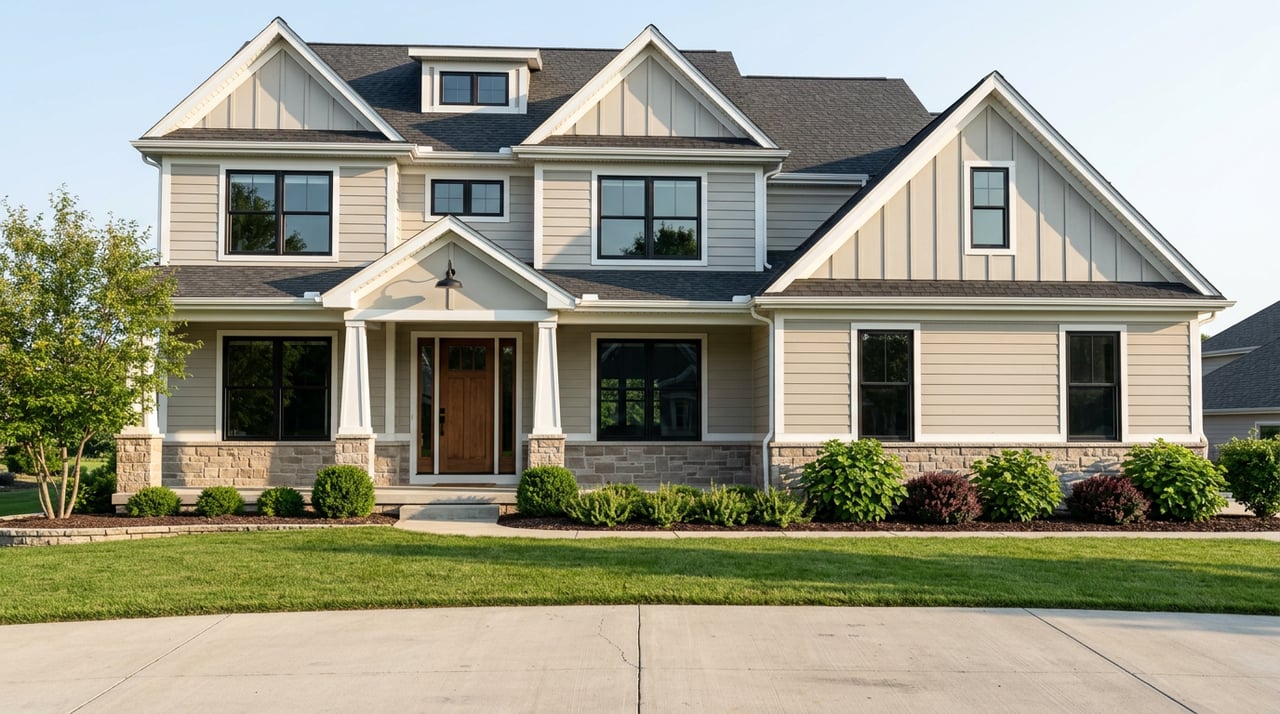
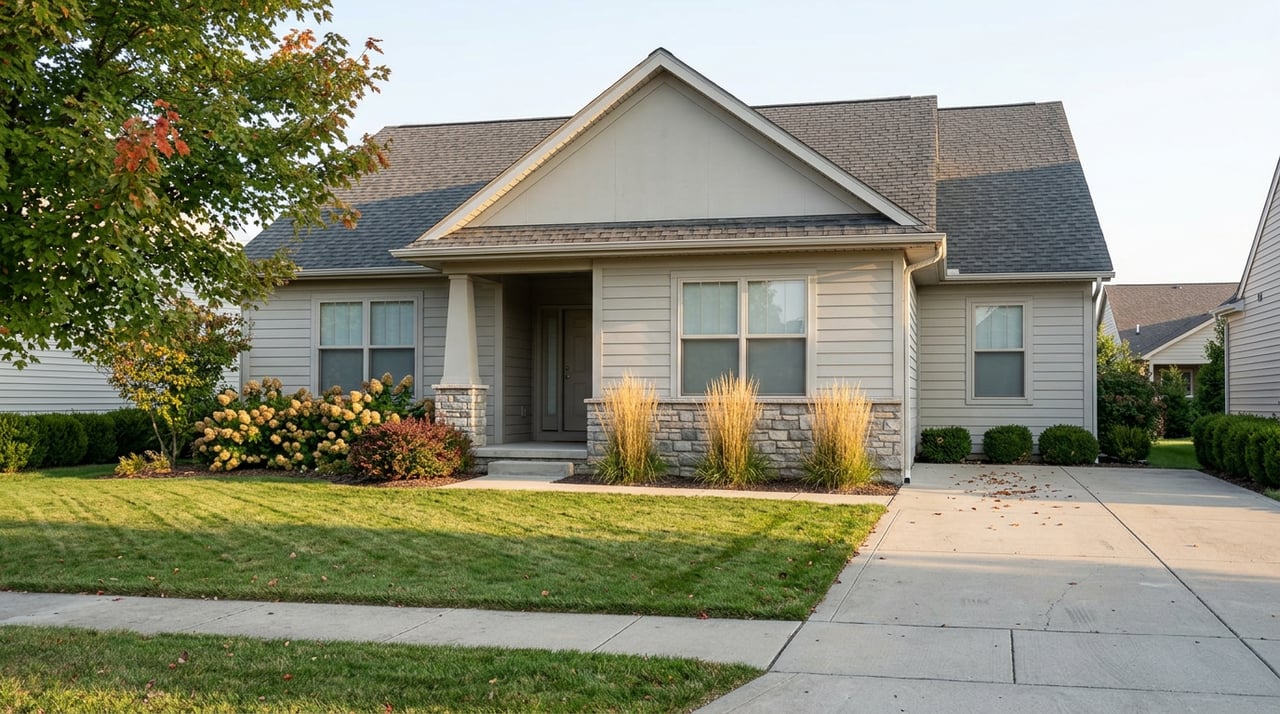
Picture two listings that land in your inbox the same week. Both say Canal Winchester. Both are priced in the high $300,000s. Both show a tidy two-story with a covered porch and a two-car garage. One sits three blocks from Waterloo Street. The other sits off Gender Road in a subdivision built sometime after 2005. On paper, they read like the same purchase. They are not. One will ask your inspector to check attic ventilation and roof age. The other will ask about drainage and grading. One may need sign-off from a local Landmarks Commission before you touch the exterior. The other has an HOA that already dictates your shingle color.
Canal Winchester gets talked about like a single market with a single number attached to it. It isn't. It's stacked, geographically and administratively, in ways that don't show up in a listing photo.
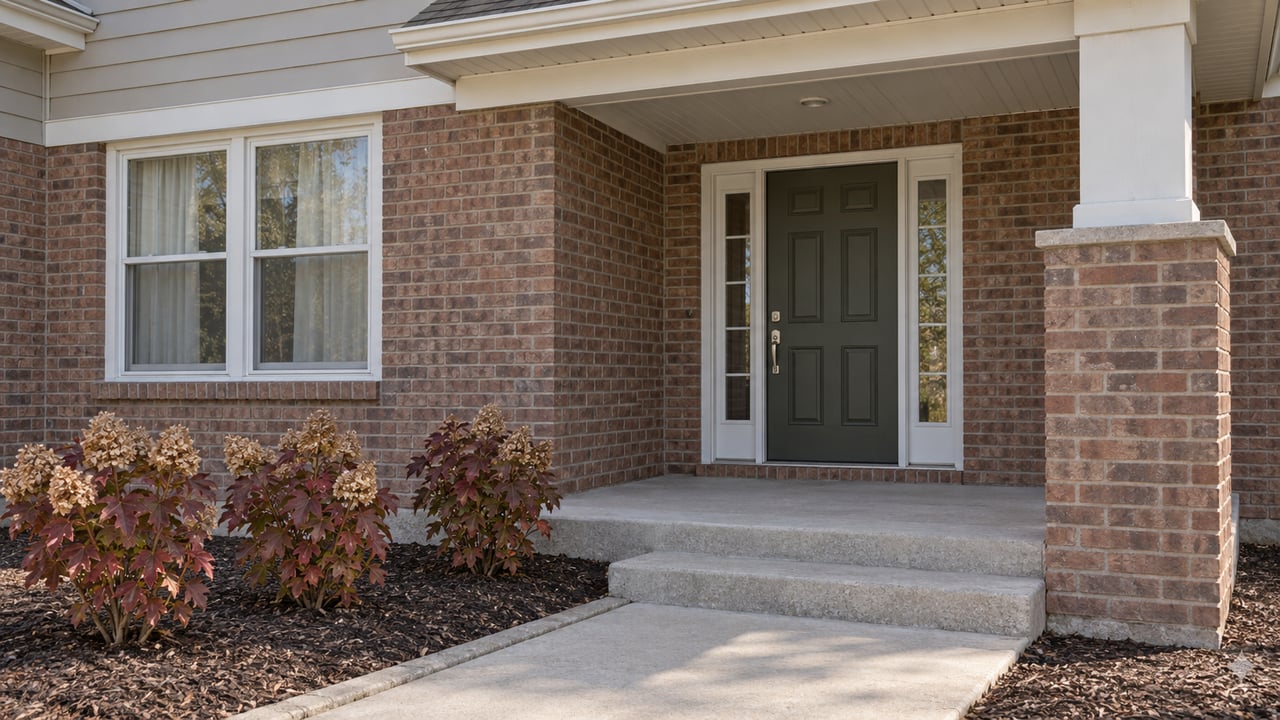
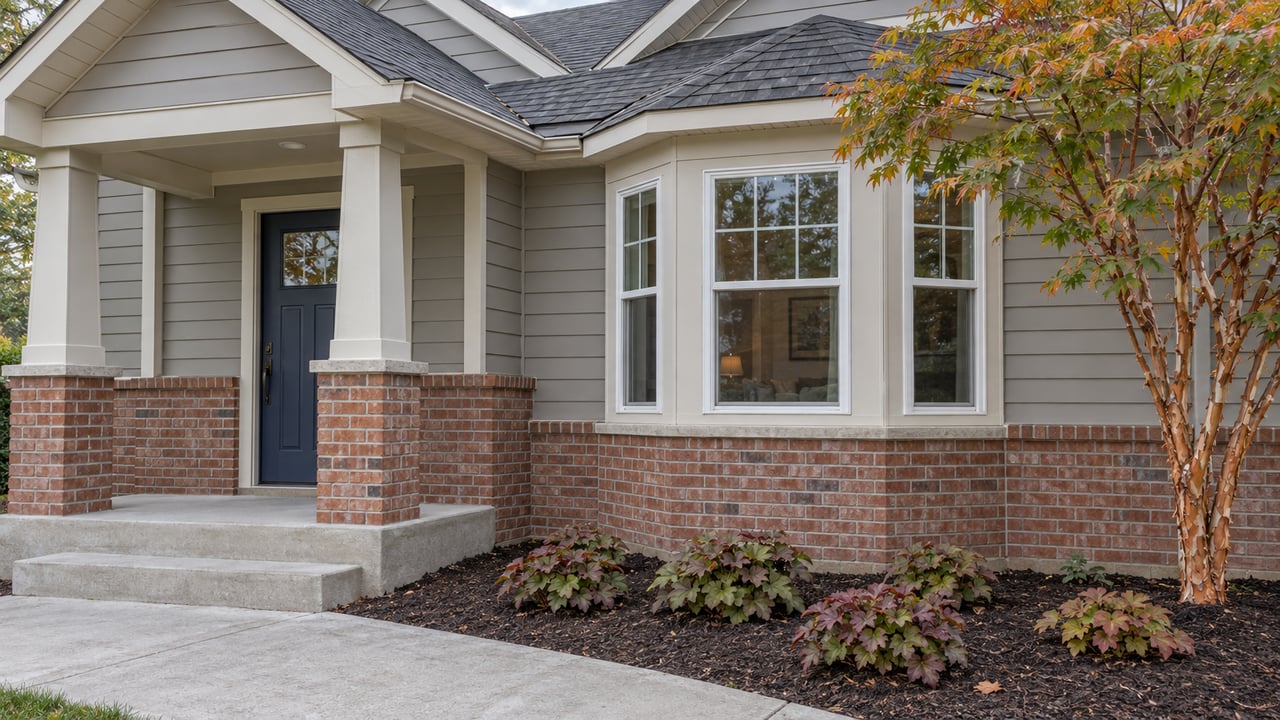
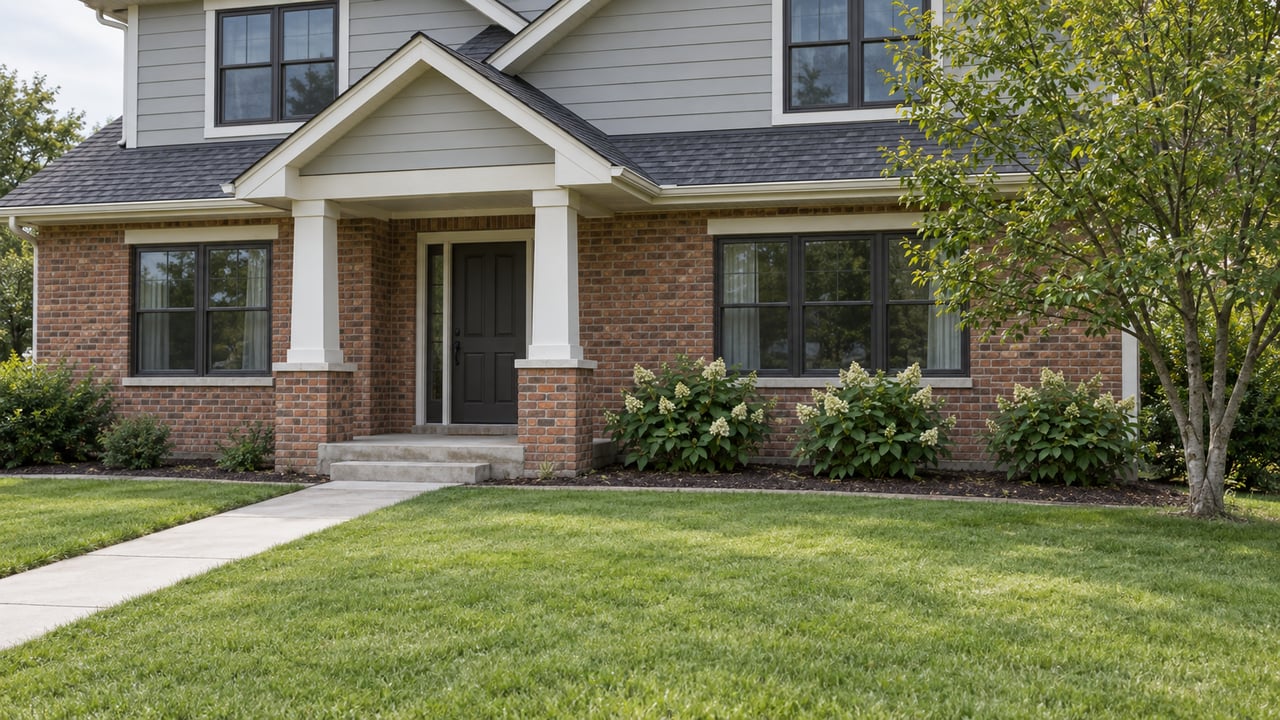
Homes.com's own market summary for the city puts it plainly: home styles here range from early 20th-century colonials and bungalows downtown to midcentury ranches and split-levels in neighborhoods like Winchester Village, with modern developments in Cherry Landing and Ashbrook Village rounding things out. Local roofing contractors who work across the city describe the same three-part pattern, adding two more named subdivisions to the newer end of the spectrum, Villages at Westchester and Jefferson Farms, built largely between the 1990s and 2010s as two-story colonials and Cape Cods.
That range matters because each era brings a different set of things your inspector will spend time on.
None of this shows up in a median price. It shows up in the inspection report and the repair negotiation, which is exactly where a construction-informed read of the contract earns its keep.
Canal Winchester sits across two counties. Most of the city falls in Franklin County, with a northern section extending into Fairfield County. That split alone means two nearly identical homes can be billed by two different county auditor's offices, on two different assessment schedules.
Layer a second line on top of that, and the stakes change. A small portion of the city falls within Bloom-Carroll Local School District rather than Canal Winchester Local, and the two carry different school district income tax rates.
A buyer comparing two similarly priced homes in Canal Winchester, one on each side of that school district line, is not comparing two versions of the same deal. They're comparing two different long-term tax positions wearing the same city name on the mailbox.
The school district line isn't just a tax question in 2026. It's also an investment question.
Canal Winchester Schools broke ground on May 14, 2026 on a $29 million facilities project at Canal Winchester High School: a new 700-plus seat performing arts center with a black box classroom and orchestra pit, a new field house at Mike Locke Stadium, and a renovated baseball and softball complex. Construction work was visibly underway through June and July 2026, with completion expected in fall 2027.
That investment is tied to Canal Winchester Local School District specifically, not to the city of Canal Winchester as a municipal boundary. A family whose address happens to fall in the Bloom-Carroll sliver is inside the city limits, pays city services, and sees "Canal Winchester" on their listing, but their kids attend a different district and won't feed into this particular facility. The school district line, in other words, is doing double duty right now. It's setting your tax rate, and it's determining whether this year's biggest civic investment in the city actually reaches your address.
Current conditions in Canal Winchester show homes selling for roughly 95 to 98 percent of list price, a real shift from peak years when 51 percent of homes sold above asking. That negotiating room didn't appear overnight. Track the numbers across 2026 and you can watch it build. In February, Redfin had the median sale price at $391,000, up 14 percent year over year, with homes averaging 85 days on market compared to 50 days the year before. By March, Homes.com put the median at $360,000, framing it as higher than nearby Reynoldsburg but lower than Pickerington. By July, Movoto had the median list price at $399,000 with homes averaging 47 days on market, about the same pace as July 2025. The portals don't agree on the exact day count or the exact median, and that disagreement is itself useful information. It means no single number describes this market cleanly, only a range moving in a consistent direction.
There's a size story hiding in the median too. The typical Canal Winchester home runs around 2,300 square feet, meaningfully larger than the Franklin County average of roughly 2,000 square feet. That gap is a product of the same era split covered above. Newer subdivisions like Ashbrook Village and Jefferson Farms are building bigger floor plans than the historic downtown ever could on its original lots, which pulls the citywide average up and makes the median price a blend of very different square-footage realities rather than a single consistent product.
None of these numbers are wrong. They're just each describing a different slice of a city that isn't one market to begin with.
Does the school district line affect resale value, not just my tax bill? It affects buyer pool more than it affects appraised value on its own.
How do I find out which side of a line a specific address sits on? The county auditor's parcel lookup for whichever county the address falls in will show the taxing district. Given the split, confirming this before writing an offer is worth the ten minutes it takes.
Is one era of home objectively the better buy? Not inherently. A historic downtown property brings character and Landmarks Commission oversight. A 1970s ranch brings an approachable price point and an aging roof and ventilation system. A newer subdivision brings modern systems and an HOA that already has opinions about your exterior. The right fit depends on how much renovation control and long-term system age you're willing to take on, not on which era carries a lower number.
Canal Winchester rewards buyers who ask which version of the city they're actually looking at, not just what the median says it costs. If you're weighing a historic downtown property against a newer subdivision, or trying to confirm which side of the school district line an address falls on before you write an offer, Bryce G Smith can walk the specific parcel with you and put the construction-management read on the inspection report where it belongs, before it becomes a surprise at the negotiating table. Schedule a free consultation to start with the address, not the average.
This article is general information, not legal, tax or financial advice. Consult a qualified professional about your situation.
Stay up to date on the latest real estate trends.

Contact Bryce today to learn more about his unique approach to real estate and how he can help you get the results you deserve.
8800 Lyra Dr Ste 600 Columbus OH 43240