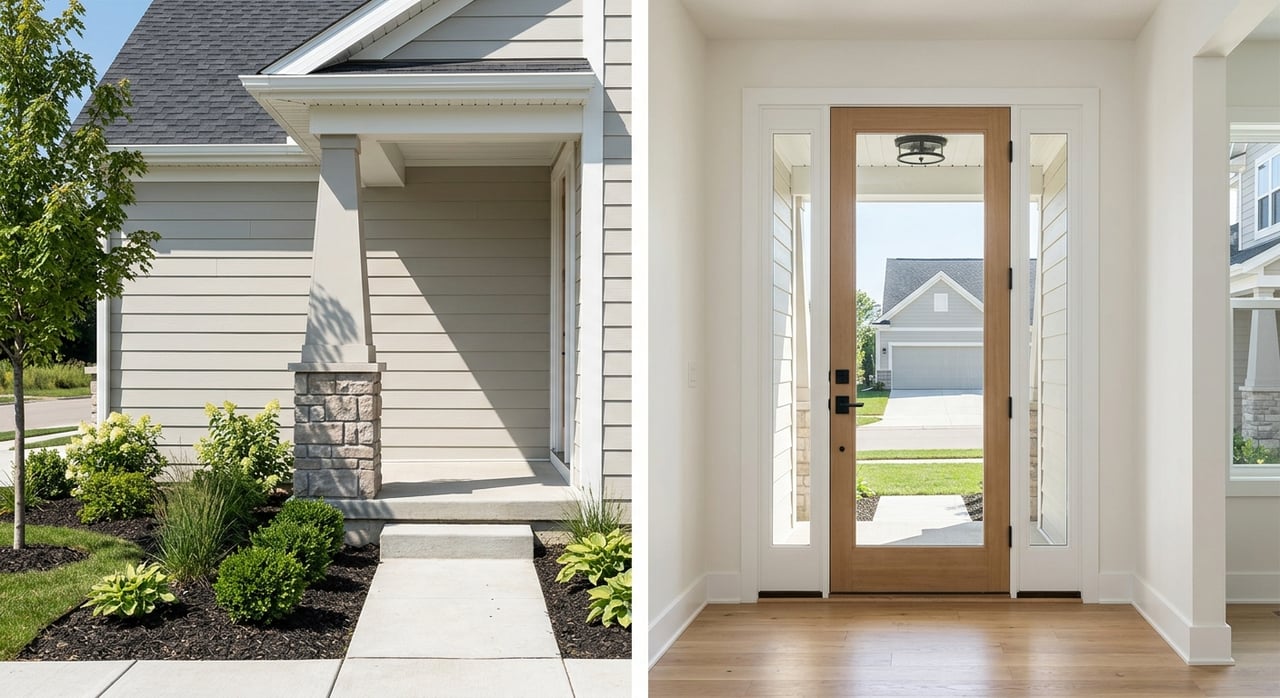
Columbus Suburbs vs City Living: What Fits Best?
June 25, 2026
June 25, 2026
Trying to choose between Columbus and the suburbs can feel harder than it should. You may want more space, a shorter commute, better access to parks, or a home that fits your budget without giving up the lifestyle you enjoy. The good news is that there is no one-size-fits-all answer, and the numbers make the tradeoffs clearer. Let’s dive in.
If you are deciding between Columbus and nearby suburbs like Westerville, Gahanna, and Pickerington, the biggest differences usually come down to budget, daily routine, and housing style. Columbus is the largest and most urban option in this group, while the suburbs are smaller and more owner-occupied.
In 2024, Columbus had 933,263 residents and a 44.1% owner-occupied housing rate. Westerville had 38,612 residents and a 72.5% owner-occupied rate, Gahanna had 35,544 residents and a 70.6% rate, and Pickerington had 25,814 residents with a 76.8% owner-occupied rate. That tells you something important right away: Columbus offers a broader mix of housing, while these suburbs lean more toward long-term homeownership.
For many buyers and renters, budget is the first filter. Based on the published census measures in this comparison, Columbus is the lowest-cost market on core housing numbers.
The median owner-occupied home value is $252,900 in Columbus. That compares with $374,500 in Westerville, $350,900 in Gahanna, and $339,600 in Pickerington. Median gross rent is also lower in Columbus at $1,295, compared with $1,364 in Westerville, $1,466 in Gahanna, and $1,605 in Pickerington.
That does not mean Columbus is always cheaper in every situation or every neighborhood. It does mean that if you want a lower entry point and a wider range of urban housing options, Columbus is often a strong place to start.
If you are a first-time buyer or simply trying to stay flexible, Columbus may offer more room to compare options. Lower published home values and rent levels can make it easier to explore different property types and neighborhoods.
By contrast, Westerville, Gahanna, and Pickerington generally sit in a higher budget band. Median household income also rises outside the city, with Columbus at $66,082, Westerville at $109,404, Gahanna at $109,061, and Pickerington at $111,833.
Where you live affects more than just your address. It shapes how long you spend in the car, whether transit is realistic, and how easy it is to get where you need to go during the week.
Among these four places, Westerville has the shortest average commute. Mean commute times are 21.5 minutes in Columbus, 19.4 minutes in Westerville, 20.4 minutes in Gahanna, and 26.9 minutes in Pickerington.
That may surprise some buyers who assume the city always means a shorter commute. In practice, your route, work location, and daily habits matter just as much as distance.
COTA operates 39 fixed-route lines, more than 3,000 stops, and a 562-square-mile service area. Columbus has the broadest transit context in this comparison, which can be a real advantage if you want more options beyond driving.
Westerville and Gahanna also have usable transit connections. The Westerville COTA//Plus zone includes Westerville, a portion of Columbus, and connects to lines 41, 43, 102, and CMAX. Gahanna has fixed-route access through Line 46.
Pickerington is more road-oriented based on the official materials. The city highlights direct access to US 33 and I-70 and notes that it is roughly a 20-minute drive to downtown Columbus.
Lifestyle fit is where this decision becomes personal. Some buyers want urban energy and walkable districts, while others want a quieter routine with parks, trails, and easy errands.
Columbus has the deepest urban amenity base in this group. The city operates 410 parks across 14,069 acres and 230 miles of regional trails. The Short North is described by the city as one of Central Ohio’s most walkable urban corridors, and German Village is a protected historic district.
If you like variety, Columbus gives you the broadest menu of experiences. You can move between different districts, housing types, and entertainment options more easily than in a smaller suburb.
Westerville stands out for buyers who want a suburban setting with a defined downtown feel. The city says it has 41 parks or recreation facilities, while Westerville Parks & Recreation reports more than 650 acres of parkland, 51 miles of trails, and that 95% of homes are within a half-mile of a developed park.
Uptown Westerville is the historic core, with shops, dining, events, and a DORA. If you want a suburb with a strong parks-and-trails culture and a recognizable central district, Westerville deserves a close look.
Gahanna often appeals to buyers who want a middle-ground option. It has a suburban setting, but it also offers a distinct activity area around Creekside.
The city owns and maintains 759 acres of parkland in 54 parks and green spaces. Creekside Park & Arboretum connects to the Big Walnut Trail and Creekside Plaza, which hosts events and includes restaurants, shops, and other businesses. Gahanna is also described by the city as about 8 miles from downtown Columbus and minutes from John Glenn International Airport.
Pickerington leans more suburban and outdoor-oriented than urban. The city profile says it is 13.2 miles southeast of Columbus and directly accessible by US 33 and I-70.
The parks system maintains more than 158 acres of parkland, along with a community pool and a wide range of recreation amenities. If your ideal routine centers more on space, driving convenience, and recreational amenities than on walkable urban districts, Pickerington may feel like a better fit.
Polaris is best understood here as a north Columbus retail and commercial corridor rather than a standalone suburb. For buyers who care most about convenience, it can be a useful option to consider.
Polaris Fashion Place reports more than 170 retail, dining, and entertainment options. The area also connects into the Westerville COTA//Plus zone, which supports a convenience-first lifestyle built around shopping, dining, and freeway access.
The best choice usually becomes clearer when you stop asking which area is best and start asking which area fits your routine best. Here is a simple way to think through it.
If you are still torn, focus on three things first: budget, commute, and lifestyle. Those three filters usually narrow the map quickly.
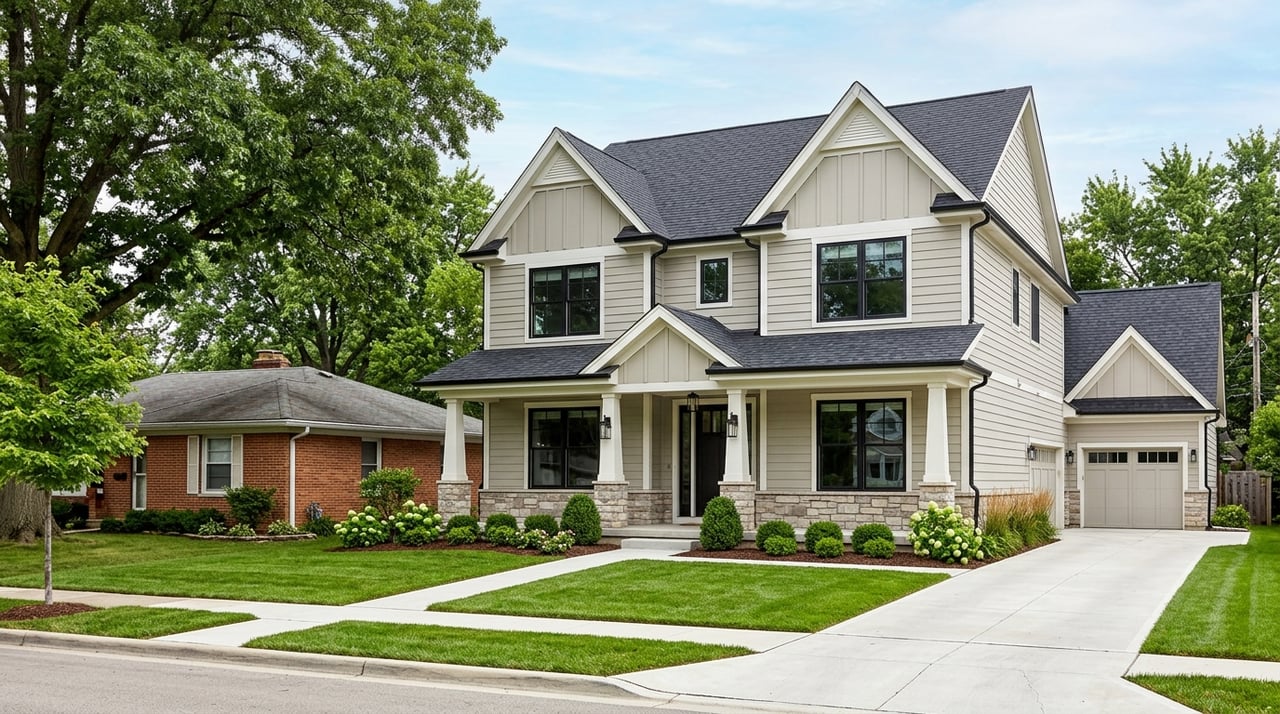
Then think about the home itself. A property that looks perfect online may need repairs, updates, or layout changes that affect long-term value and comfort. That is where having practical guidance can make a big difference, especially if you are comparing older city homes, newer suburban builds, or properties with renovation potential.
When you tour homes in Columbus, Gahanna, Pickerington, Westerville, or north Columbus, try to picture your normal Tuesday instead of your ideal Saturday. The right location is often the one that makes everyday life easier, not just the one that looks best in photos.
If you want help comparing neighborhoods, weighing home condition, or matching your budget to the right part of the Columbus area, Bryce G Smith can help you make a confident move.
Stay up to date on the latest real estate trends.
Contact Bryce today to learn more about his unique approach to real estate and how he can help you get the results you deserve.
8800 Lyra Dr Ste 600 Columbus OH 43240