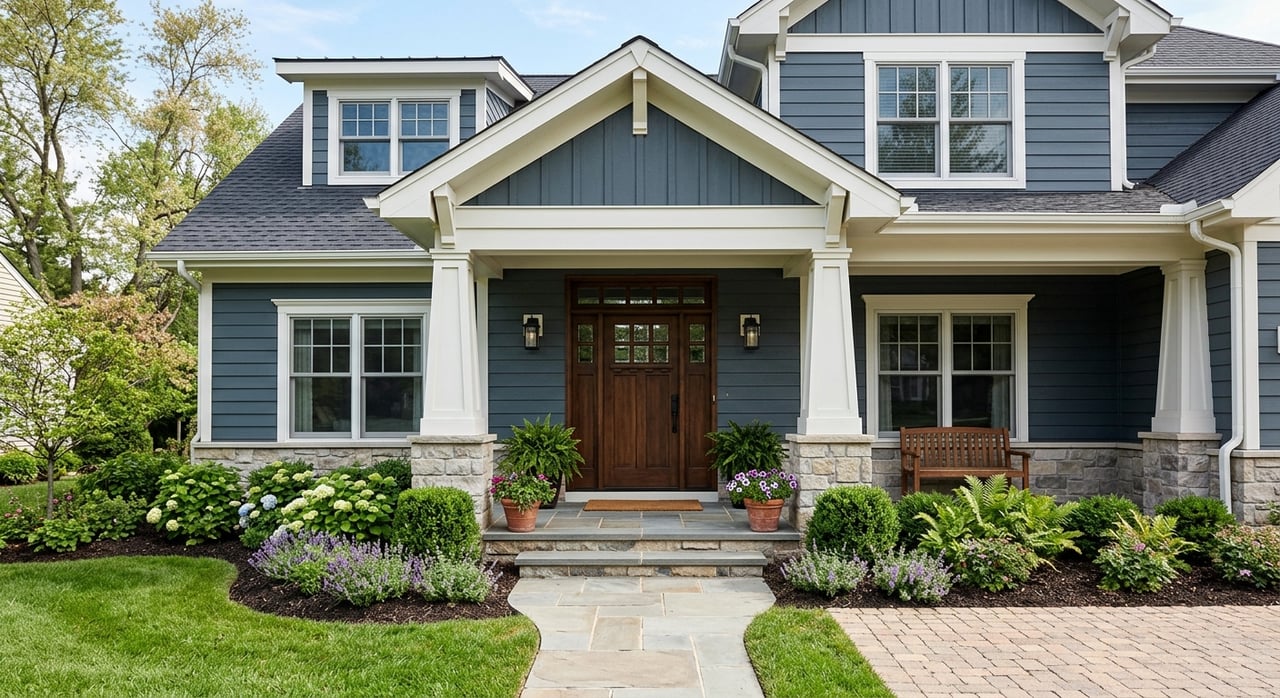
Westerville Parks and Trails Living Guide
June 11, 2026
June 11, 2026
Looking for a home where getting outside feels easy, not like a weekend project? In Westerville, parks and trails are part of daily life, which makes the city appealing if you want more ways to walk, bike, explore, or spend time outdoors close to home. If you are trying to figure out which parts of Westerville best match that lifestyle, this guide will help you compare neighborhood feel, home style, and park access in a practical way. Let’s dive in.
Westerville has built outdoor access into the way the city functions. According to the city, Westerville has 26 parks, more than 650 acres of parkland, and 51 miles of paved recreational trails. The city also says 95% of homes are within a half-mile of a developed park.
That matters because it changes your day-to-day routine. Instead of planning around one destination park, you are more likely to have green space, a paved path, or a neighborhood park woven into your normal schedule. For many buyers, that kind of access can be just as important as square footage or lot size.
Westerville also identifies itself as a Bicycle Friendly Community, and the B&W trail network runs through parks, wooded areas, streets, roads, and neighborhoods. In plain terms, outdoor access here is not limited to one corner of the city. It shows up across different parts of town in different ways.
If you picture yourself walking after dinner, biking on weekends, or taking the dog out without a long drive, Westerville gives you several ways to do that. The city trail system and nearby regional parks support everything from quick neighborhood loops to longer outdoor outings.
One of the most important outdoor connections in Westerville is the Ohio to Erie Trail. The city says the Westerville segment was built on the former Conrail line from Maxtown Road to Schrock Road in 1998.
A 2024 reconstruction notice also points to connections near Heritage Park, Hoff Woods, College Avenue, Broadway Avenue, Park Street, Old County Line Road, and the Cleveland Avenue side path. That is useful if you are house hunting, because it shows why trail access should be verified by specific block and street, not assumed from a neighborhood name alone.
Westerville Parks & Recreation highlights a wide range of parks across the city, including Alum Creek North, Heritage Park, Highlands Park, Hoff Woods Park, Huber Village Park, Millstone Creek Park, Olde Town Park, Spring Grove North Park, and Walnut Ridge Park. Depending on where you live, one of these may become part of your daily routine.
Hoff Woods Park is a strong example of a flexible, everyday-use park. It includes a 1.16-mile recreation pathway along with pickleball, tennis, basketball, baseball, and a woodland nature trail. If you want a park that supports both active recreation and a quieter walk, this one checks several boxes.
Huber Village Park offers a different mix. The park includes a 0.7-mile recreation pathway, eight ball diamonds, a soccer and sports field, plus wetland and woodland areas. That combination can appeal to buyers who want both open recreation space and a more natural setting nearby.
For households with younger children, Johnston-McVay Park adds another kind of value. Its Storybook Trail includes 18 illustrated storyboards, which reflects the family-oriented programming found in the city park system.
Westerville living near parks and trails is not only about city parks. Nearby regional destinations expand your choices if you want more nature-focused spaces.
Inniswood Metro Gardens is a 121-acre nature preserve with streams, woodlands, more than 2,000 plant species, and several themed gardens. If your ideal outdoor time looks slower, quieter, and more scenic, this is an important part of the local lifestyle mix.
Blendon Woods offers a different setting, with 653 acres of ravines, forests, open fields, and the 118-acre Walden Waterfowl Refuge. It gives you a broader natural landscape than a neighborhood park and can be a good fit if you enjoy longer walks and more immersive green space.
Rocky Fork Metro Park is especially relevant for dog owners and active outdoor routines. Metro Parks says it includes more than 3 miles of walking trails, a bridle trail, a dog park, and an off-leash dog trail, along with paved walking and biking options.
One of the biggest mistakes buyers make is treating Westerville like one uniform market. It is better to think of it as a group of lifestyle options, where home style, maintenance expectations, and outdoor access vary by area.
If you want historic character and a more walkable feel, Uptown and Olde Westerville are often the first places to consider. The city identifies Uptown as the historic shopping district and the heart of Westerville, with homes dating back to the 19th century.
The area is known for historic architectural styles such as Vernacular Victorian, Dutch Colonial Revival, American Four Square, Craftsman, Stick Style, and Queen Anne. For some buyers, that character is a major draw. For others, it also means thinking more carefully about maintenance, updates, and repair planning.
This part of Westerville can be a strong fit if you want older-home charm and quick access to parks, trails, and Uptown amenities. It is less about subdivision living and more about character, established streets, and a classic neighborhood feel.
Annehurst Village is a helpful example of Westerville’s established suburban inventory. It is commonly associated with midcentury homes and a more traditional neighborhood layout.
If you like mature trees, sidewalks, and neighborhood park access, this kind of setting may feel like the right middle ground. You get an established suburban environment without expecting brand-new construction or a highly urban layout.
Millstone is another useful option for buyers who want established homes with nearby park access. The area is often noted for its proximity to Millstone Creek Park and for having a more traditional suburban feel north of Uptown.
This can work well if your goal is everyday convenience to outdoor space while still prioritizing a classic single-family neighborhood setting. For many buyers, that balance is exactly what makes Westerville attractive.
Huber Ridge is often associated with ranch-style and split-level homes. If you are looking for a more practical layout, established housing stock, and a neighborhood setting tied to parks and daily-use recreation spaces, this is another area worth exploring.
For some buyers, these home styles offer a simpler maintenance profile than an older historic property. The tradeoff is that the lifestyle feel may be more suburban and less centered on old-house character or Uptown walkability.
Westerville’s housing study gives useful context for what buyers should actually expect. The city says the average Westerville home is a single-family residence with 3 to 4 bedrooms and an age of about 50 years.
The same study says 82.7% of homes are single-family, and nearly 75% were built between 1960 and 1999. Fewer than 2% are newer than 10 years old. That is important because it means most park-friendly inventory in Westerville is established housing, not mostly new construction.
If you are comparing neighborhoods, that age range can affect everything from floor plans to maintenance needs. Some homes may offer more mature landscaping and established streetscapes, while others may need updates over time.
This is where practical guidance matters. If you are deciding between a historic home near Uptown and a later-built home near a neighborhood park, it helps to weigh not just location, but also upkeep, renovation potential, and how the property supports your day-to-day routine.
When you are shopping for Westerville homes near parks and trails, the best choice usually comes down to lifestyle fit. A few focused questions can help you narrow the search.
Do not assume trail access based on a neighborhood label alone. Because connections can vary block by block, it is smart to confirm how a specific address relates to nearby parks, side paths, and major trails like the Ohio to Erie Trail.
Think about how you actually want to use outdoor space. Your priority may be a paved bike route, a dog-friendly park, a playground, a wooded trail, or a short walk to Uptown and nearby green space.
That answer can quickly point you toward the right part of Westerville. It also keeps you from overpaying for features that do not match how you live.
A charming older home and a midcentury or later suburban home can offer very different ownership experiences. Historic properties may deliver character and location advantages, while later-built homes may offer a more familiar suburban layout and a different maintenance profile.
Bryce’s background in construction management can be especially helpful here. If you are deciding between homes with different ages, updates, and repair considerations, a practical eye on condition and renovation potential can give you more confidence.
If you are buying in Westerville, understanding how parks and trails connect to each neighborhood can help you search more strategically. You can focus on the areas that fit your routine instead of searching too broadly.
If you are selling, outdoor access is part of your home’s lifestyle story. Proximity to parks, trail connections, established trees, and nearby recreation can all help shape how buyers see the property, especially in a market where many homes are part of mature, established neighborhoods.
The key is presenting that value clearly and accurately. In a place like Westerville, lifestyle details matter, but they need to be tied to the specific property and location.
If you want help finding the right Westerville fit, or you are preparing to sell and want to position your home around the lifestyle buyers are actually looking for, Bryce G Smith can help you make a more informed move.
Stay up to date on the latest real estate trends.
Contact Bryce today to learn more about his unique approach to real estate and how he can help you get the results you deserve.
8800 Lyra Dr Ste 600 Columbus OH 43240