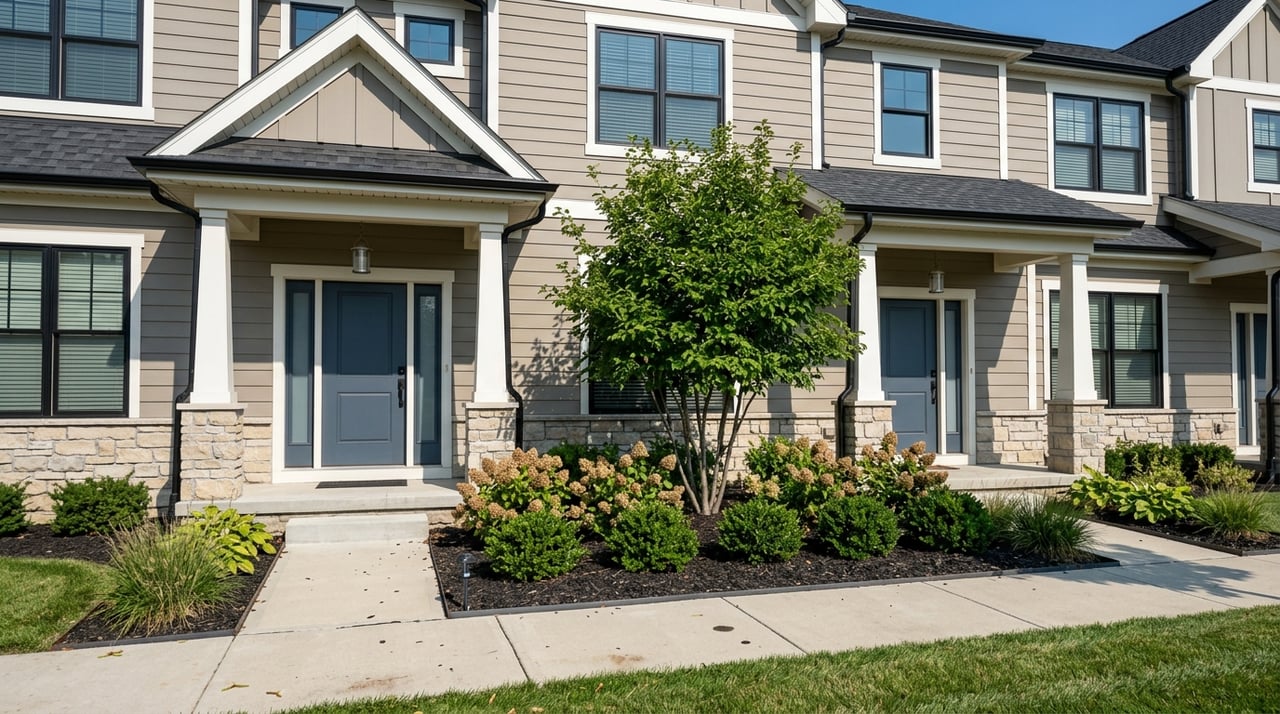
What HOA Communities in Westerville, Ohio Mean for Buyers
May 21, 2026
May 21, 2026
Wondering whether an HOA will make your Westerville home search easier or more complicated? You are not alone. For many buyers, HOA communities offer a cleaner maintenance plan and shared amenities, but they also add rules, fees, and extra documents that can affect your monthly budget and long-term flexibility. If you are comparing homes in Westerville, this guide will help you understand what HOA living really means before you write an offer. Let’s dive in.
In Westerville, two homes can look similar online and still fall under very different legal structures. That matters because the ownership rights, maintenance responsibilities, and association rules may not work the same way.
In Ohio, many HOA-governed homes fall into one of two categories: planned communities under Chapter 5312 of the Ohio Revised Code and condominiums under Chapter 5311. A planned community is created through recorded declarations and bylaws, and an owners association manages the community through a board elected by owners. A condominium is a different form of ownership where you own your unit and also hold an undivided interest in the common elements.
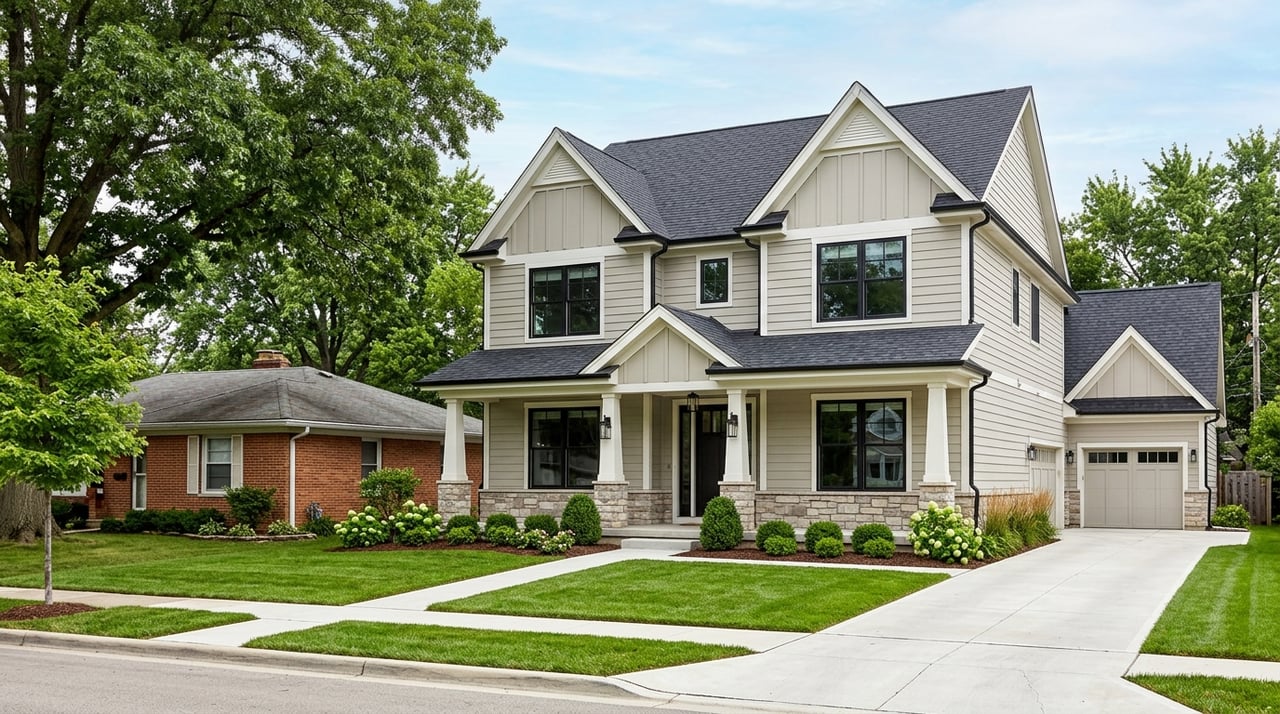
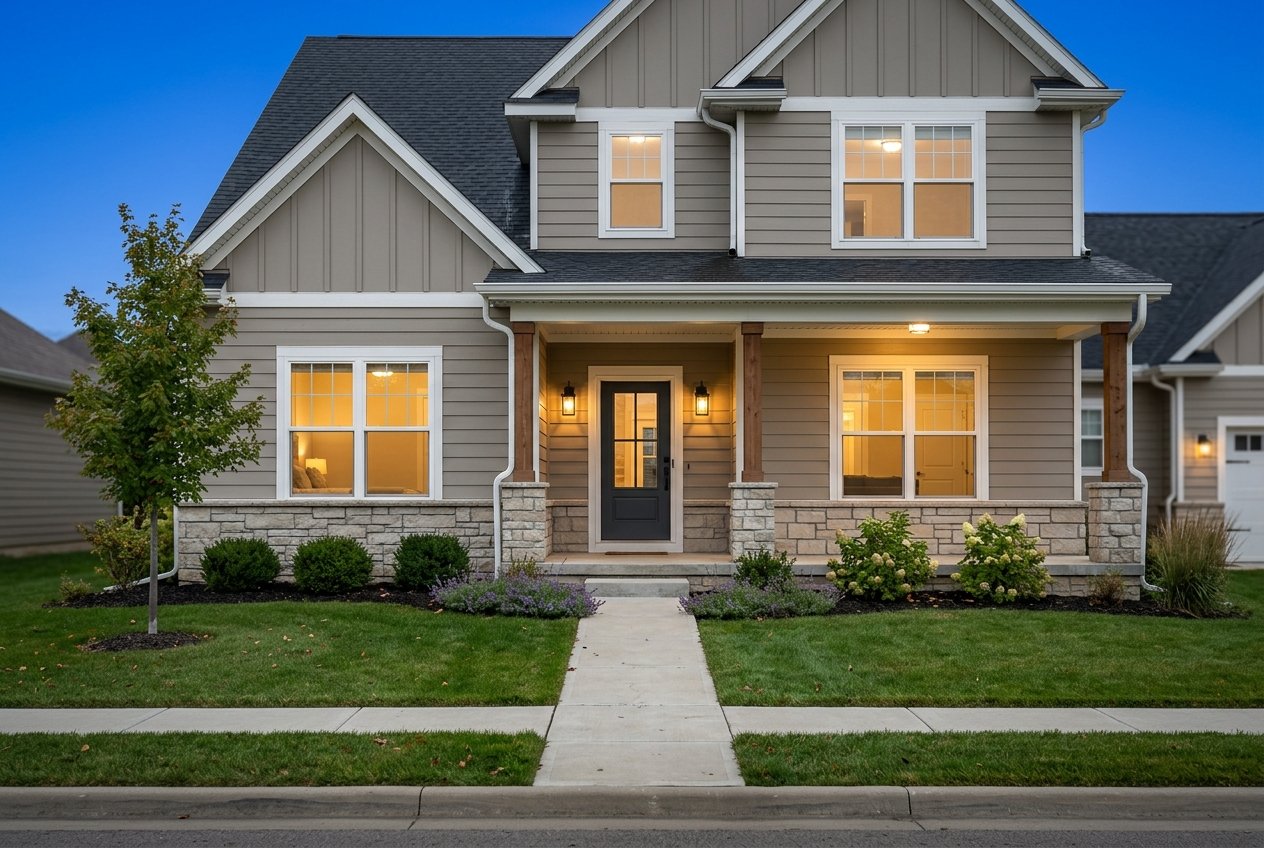
This is why exterior style can be misleading. A townhome-style property may still be legally classified as a condo, so you should confirm the recorded documents instead of relying on the way the home looks from the street.
A common misunderstanding is that the HOA is the only authority you need to think about. In reality, private HOA rules exist alongside Westerville's city requirements, not instead of them.
Westerville’s Building Division reviews residential work for compliance with state codes and city ordinances. The city’s Planning & Zoning Division handles zoning review and long-range planning. That means if you want to change something about a property later, such as an exterior feature or renovation, you may need both HOA approval and city permits depending on the work.
For buyers, this is important early in the search. If you already know you want to add a fence, update the exterior, or make structural changes, it is smart to review both the association rules and the city process before you commit.
HOA dues are meant to pay for shared community costs, but what they cover can vary quite a bit from one Westerville property to another. That is one reason two homes with similar prices can have very different monthly ownership costs.
In planned subdivisions, dues commonly go toward landscaping and shared maintenance. In condominiums, associations often take on more responsibility, which may include driveways, shared structures, roofs, exterior repairs, common areas, water, sewer, trash, recreation amenities, insurance, and reserve funding.
Ohio law also places maintenance responsibility for common elements on the association in planned communities unless the declaration says otherwise. Condo associations may also regulate the maintenance, repair, replacement, modification, and appearance of common elements when shared areas or other units are affected.
One of the biggest surprises for buyers is that HOA dues are usually separate from the mortgage payment. In most cases, you pay them directly to the association, even if your mortgage payment already feels substantial.
That detail matters because dues can range from a few hundred dollars per month to more than $1,000 per month. A home that looks affordable at the list price may feel very different once you add monthly HOA costs to your full payment picture.
You should also know that unpaid dues are not a small issue. In Ohio, planned communities and condo associations have statutory lien rights for unpaid assessments after the required grace period, and those liens can be foreclosed like a mortgage.
If you want to understand whether dues are likely to stay stable, reserve funding is one of the first things to review. Reserves are the funds an association sets aside for major repair and replacement items.
Ohio law generally requires both planned communities and condo associations to adopt an annual budget that includes reserves adequate to repair and replace major capital items, unless owners waive that requirement in writing each year. For a buyer, that reserve language can offer an important clue.
A well-funded reserve does not guarantee there will never be a special assessment. Still, it may suggest the association is planning ahead for major costs. On the other hand, thin reserves or repeated waivers may signal a higher chance of future special assessments.
The standard Ohio residential property disclosure form is important, but it does not replace HOA due diligence. If a home is in an HOA or condo association, you should treat the document review as a separate part of your decision-making process.
A careful buyer should ask for:
Ohio law gives owners in planned communities and condominiums the right to inspect certain books, records, and meeting minutes, subject to reasonable standards and limited exceptions. Those records can help you see how the association operates in practice, not just how it reads on paper.
When you are reviewing an HOA community in Westerville, a few questions can quickly tell you whether the property is a strong fit. These questions are especially helpful if you are choosing between detached homes, townhomes, and condos.
Start with the basics:
These questions go beyond curiosity. They help you understand your real monthly cost, your flexibility as an owner, and whether financing could be more complicated.
If you are shopping in a newer Westerville community, developer control is worth special attention. In both planned communities and condominiums, Ohio law allows a developer to control the board for an initial period.
That can affect how decisions are made on budgets, amenities, and rules. Buyers sometimes assume they will have a voice right away, but in a developer-controlled phase, owner influence may be more limited than expected.
This does not automatically make a property a bad choice. It simply means you should understand who is making decisions now and when owners are expected to take fuller control.
If you are buying a newly built condo, Ohio requires a developer disclosure statement with specific details about the project. This statement can include the development’s status, zoning and construction approvals, expected completion dates, financing terms, warranties, projected annual operating costs, reserve fund information, management contracts, and pending litigation.
Ohio also gives condo buyers a statutory right to void certain contracts when required disclosures are missing or defective. That makes document review even more important in new condo purchases.
For buyers, the practical takeaway is simple. New construction can be appealing, but you still need to review the paperwork carefully and understand how the association is being set up from the start.
The real question is not just whether a home is in an HOA. It is whether the maintenance structure and rule system match the way you want to live.
Some buyers like the predictability that comes with shared maintenance and community standards. Others want more freedom to make exterior changes or prefer not to pay monthly association dues. Neither choice is universally better. The right fit depends on your budget, your priorities, and your comfort level with shared decision-making.
In Westerville, this tradeoff often shows up clearly when comparing detached homes, townhomes, and condos. Lower-maintenance options can reduce exterior upkeep and may include useful amenities, but they also require comfort with fees, bylaws, board decisions, and a more detailed document review process.
If a property is legally a condo, financing may involve another layer of review. Lenders often look closely at the project’s physical condition, financial stability, structural issues, lawsuits, evacuation orders, and inspection status.
This is one reason two similar-looking homes can move through financing very differently. A detached home in a planned community may not raise the same project-level questions as a condo unit.
That does not mean condos are off the table. It means you should plan for a more detailed review and make sure the property and association are both being evaluated early.
The best Westerville home search is not just about price, square footage, and layout. It is also about understanding how the community operates after closing.
When you know the difference between a planned community and a condo, what the dues really cover, how reserves are funded, and which documents need review, you can compare homes with a lot more confidence. You are not just buying a property. You are stepping into a system of rules, costs, and responsibilities that will shape your ownership experience.
If you want help sorting through HOA documents, comparing maintenance tradeoffs, or understanding how a property’s setup could affect your budget and future plans, working with a local agent who understands both the market and the construction side of a home can make the process much clearer. When you are ready to talk through your Westerville options, connect with Bryce G Smith for a free consultation.
Stay up to date on the latest real estate trends.

Contact Bryce today to learn more about his unique approach to real estate and how he can help you get the results you deserve.

8800 Lyra Dr Ste 600 Columbus OH 43240