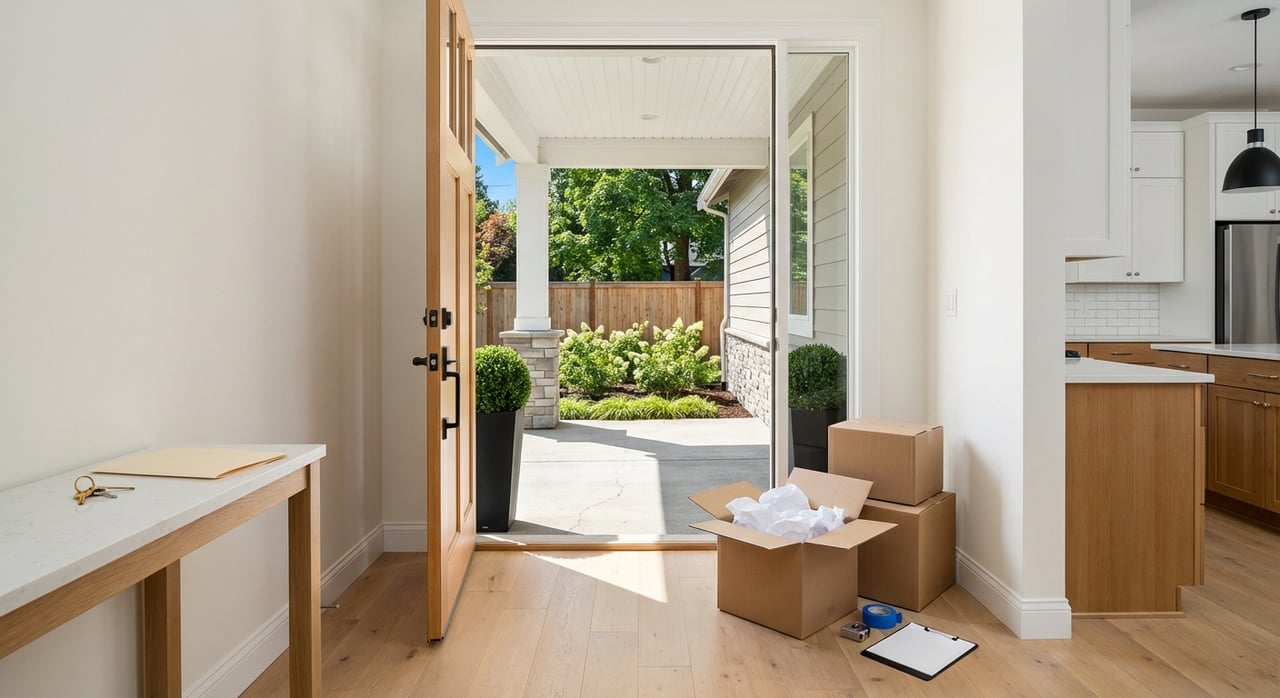
Practical Guide for Move-Up Buyers in Gahanna
February 19, 2026
February 19, 2026
Thinking about trading your Gahanna starter home for more space, a better layout, or a yard that actually fits a soccer net? You are not alone. Many 43230 owners are considering a move-up, and the process can feel complex when you need to sell and buy at the same time. This guide gives you a simple game plan tailored to Gahanna, from timing and financing to prep work and new construction vs resale decisions. Let’s dive in.
Typical home values in 43230 sit in the low to mid 300s. Recent estimates place many homes in the 325,000 to 350,000 range. Well-priced, well-presented listings can go pending quickly, while others take longer. Your pricing, condition, and launch strategy will influence your days on market.
Gahanna is a mature Columbus suburb with a strong base of owner-occupants and practical commutes. The city’s owner-occupancy rate is roughly 69 percent, and the typical commute time is about 20 minutes, which supports steady demand across family-friendly floor plans and neighborhoods. You also have a growing walkable draw near Creekside, where ongoing public improvements can boost attention for nearby condos and townhomes. See the city’s updates on the Creekside Reimagined initiative for context on that activity.
There is no single right way to sequence your sale and purchase. Pick the path that best fits your timeline, budget, and risk comfort.
Selling first lowers financing risk and clarifies your budget, since your proceeds are in hand before you buy. It can, however, require temporary housing or a negotiated rent-back if you cannot find the next home immediately. A typical timeline looks like this: 2 to 8 weeks to prep and list, 1 to 4 weeks on market depending on strategy and condition, then 30 to 45 days to close for financed buyers. You can read more about average timelines in this overview of how long a home sale typically takes.
Buying first lets you write a stronger offer without a home-sale contingency and shop with less pressure. You must be comfortable carrying two payments temporarily or use short-term financing. Bridge loans and HELOCs are common tools here. We cover financing options below.
A home-sale contingency protects you if your current home does not sell. It can be less competitive when sellers have multiple offers. If you use a contingency, you may need to sweeten your offer with favorable timing or other terms based on current conditions.
If your next home is not ready at closing, a post-closing occupancy agreement (rent-back) can bridge the gap. The terms should clearly define dates, daily or monthly rent, insurance, deposits, and responsibilities. For longer stays, lenders or legal counsel may require added review. Read more on rent-back and possession logistics.
Your move-up plan often comes down to how you access and time your equity.
Use this simple framework to estimate what you can put toward the next home:
Example range using the numbers above:
This range is your ballpark down payment plus closing cost budget. Plug in your own estimates to see where you might land.
Small, targeted updates often outperform big remodels when you sell. Focus on the items buyers notice first and that photography highlights best.
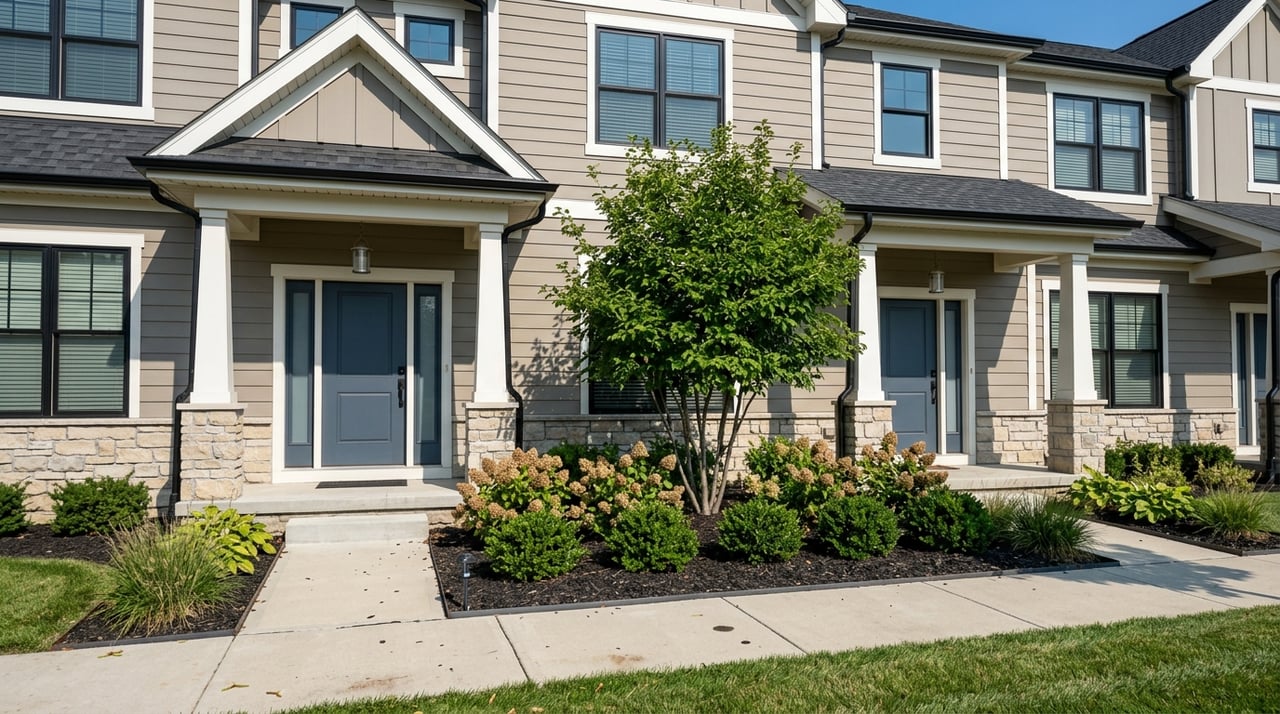
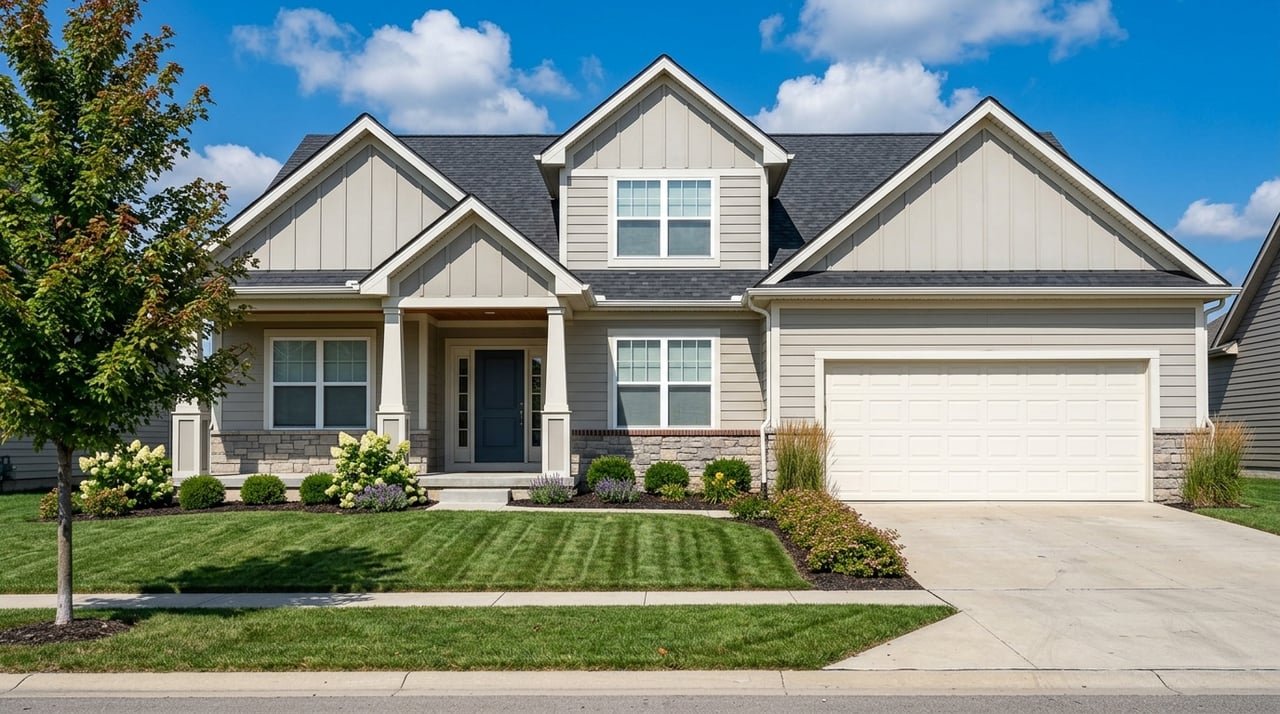
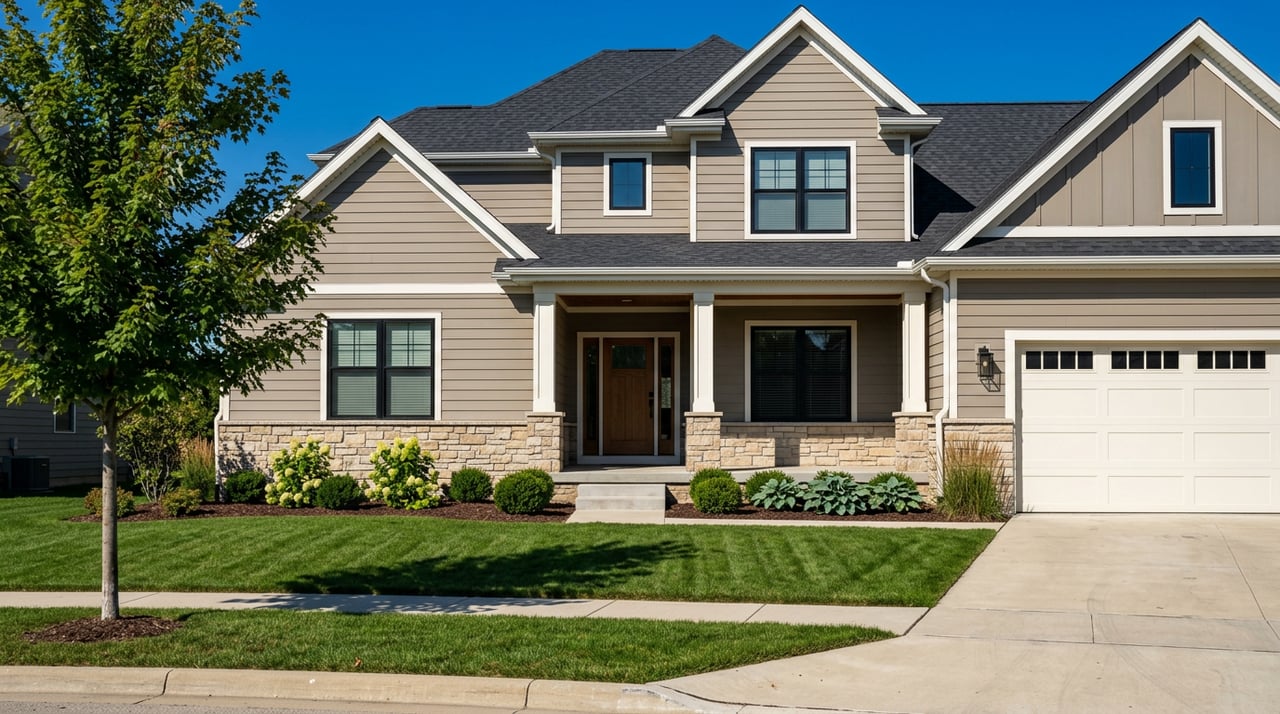
National Cost vs Value data shows exterior projects deliver some of the strongest payback. For modest budgets, prioritize landscaping refresh, pressure washing, a sharp front door, and an updated garage door. See the latest Cost vs Value Report for project-by-project ROI insights.
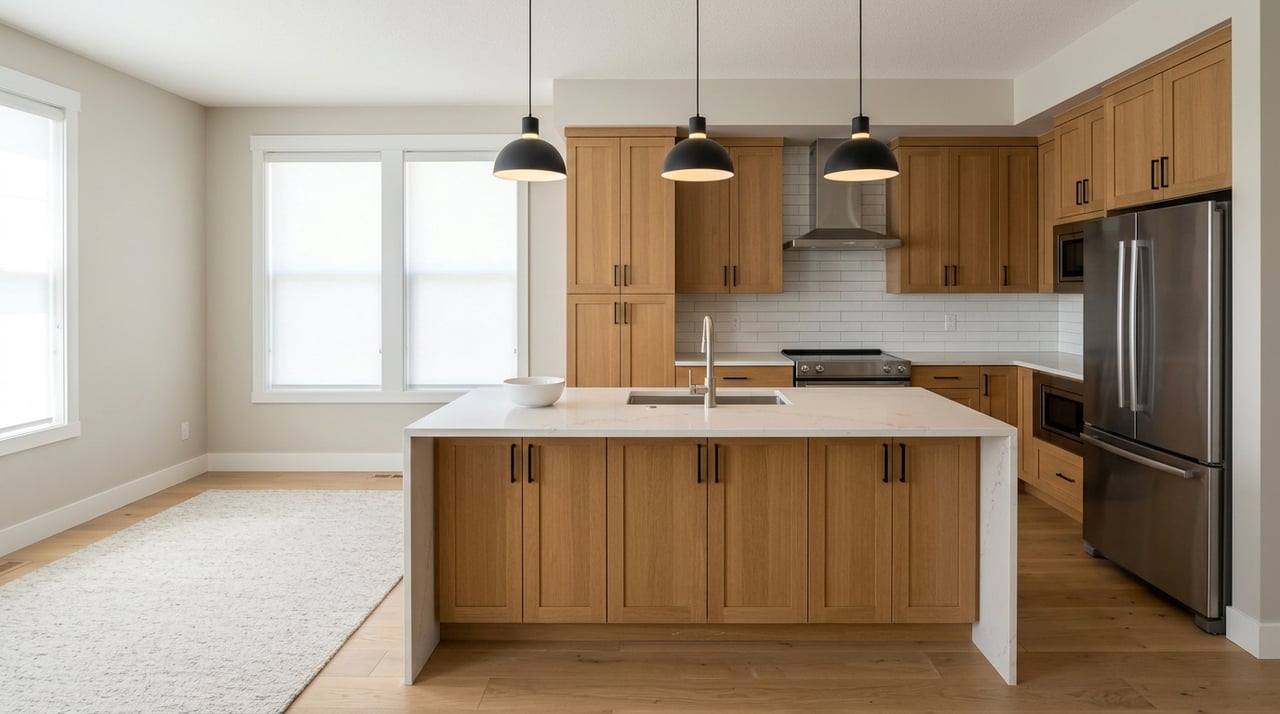
A minor kitchen update or midrange refresh typically recoups more than a full gut. Think fresh paint, new hardware, lighting, counters, and energy-efficient appliances rather than moving walls. The Cost vs Value research can help you prioritize where to spend and where to save.
A pre-list inspection can surface easy-to-fix items and reduce late-stage negotiations. It also gives you a documented list of recent repairs that builds buyer confidence, especially in older neighborhoods.
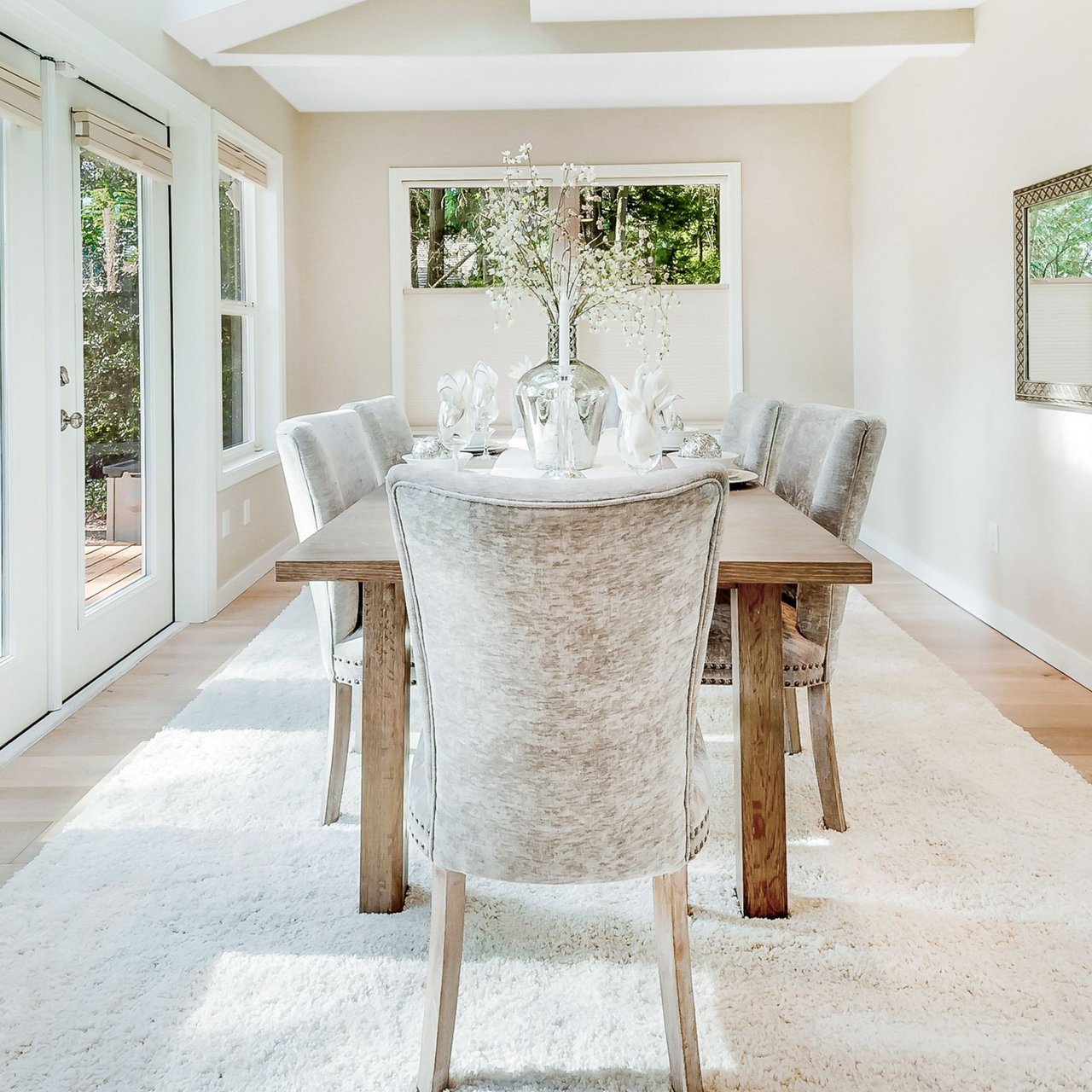
Professional photography and thoughtful staging can cut days on market and boost buyer interest. Pair that with a data-driven price and a strong first two weeks of marketing. For timing expectations and launch cadence, see this overview of how long a sale typically takes.
Both paths can work well for move-up buyers. The right choice comes down to your timing, budget, and preferred features.
If you choose a new build, map out key milestones: contract signing, design selections, pre-drywall walkthrough, final walkthrough, and warranty checkpoints. Hire an independent inspector before your one-year warranty window closes so you can document items for the builder.
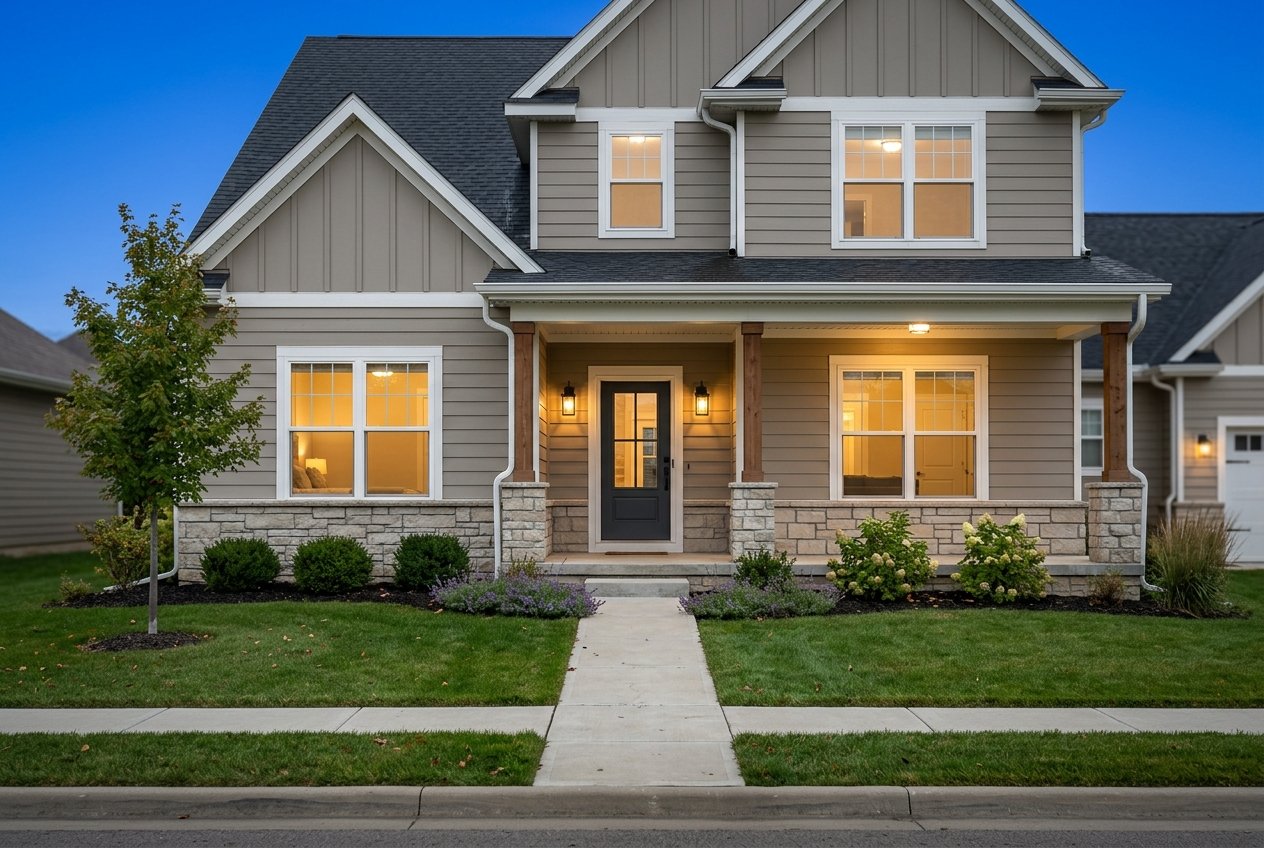
In 43230, you will see a mix of late 20th-century subdivisions, some older in-town homes, and scattered infill and condo developments. Creekside’s mixed-use setting continues to draw interest for walkable condo and townhome living, which can be a smart move-up option if you want lower maintenance. Review the city’s Creekside Reimagined plans for context around public space improvements.
Run a 6 to 9 month horizon. If you need a specific new-build design or builder incentive, secure the build contract first and plan interim housing or a short rent-back after you sell. If resale options fit your needs, selling first or negotiating a brief rent-back often reduces financing complexity and cost.
Property taxes in Gahanna appear on your Franklin County tax bill, which includes city, county, and school levies. When you sell, taxes are prorated between buyer and seller at closing based on the local schedule. If you buy, your lender will usually escrow taxes with your monthly payment. Review the city’s tax overview and the county’s billing calendar so you can plan for due dates and proration.
Ready to map your move-up plan with local, construction-savvy guidance? Schedule a free consultation with Bryce G Smith to walk through your numbers, timeline, and options.
Stay up to date on the latest real estate trends.
Contact Bryce today to learn more about his unique approach to real estate and how he can help you get the results you deserve.
8800 Lyra Dr Ste 600 Columbus OH 43240