Living in Polaris Columbus: Lifestyle, Housing & More
February 5, 2026
February 5, 2026
Thinking about a move to Polaris but not sure what day-to-day life really looks like? You want convenient shopping, easy commutes, and solid neighborhood options without guesswork. This guide gives you a clear view of lifestyle, housing, commute, schools, and everyday essentials in Polaris so you can decide with confidence. Let’s dive in.
Polaris is the retail and office hub around Polaris Parkway in the northern Columbus suburbs, right near the Lewis Center and Delaware County line. Addresses here can fall under Columbus, Lewis Center, Westerville, or parts of Delaware County depending on the street. The area centers on a major shopping destination and the surrounding mixed-use blocks, with residential neighborhoods spreading out in all directions.
The commercial core is busy, especially during peak shopping times and weekend evenings. Residential streets tend to feel quiet and organized, with sidewalks and community amenities in many newer subdivisions. Walkability varies. You can walk between shops and restaurants near the retail center, but most residential areas are car-oriented.
You’ll meet a mix of residents here: families with school-age children, mid-career professionals commuting to downtown Columbus or nearby corporate campuses, young professionals in newer apartments, and downsizers seeking lower-maintenance homes. Daily life often revolves around the shopping and dining scene, fitness centers, and nearby services.
Outdoor recreation is close, though you’ll usually drive to larger parks, greenways, or reservoirs in Delaware County. Many neighborhoods offer HOA amenities, like pools, playgrounds, and community green space. If you value convenience and a planned suburban setting, Polaris fits that profile.
You can find nearly every suburban housing type around Polaris. Your best fit depends on how you balance space, maintenance, walkability, and budget.
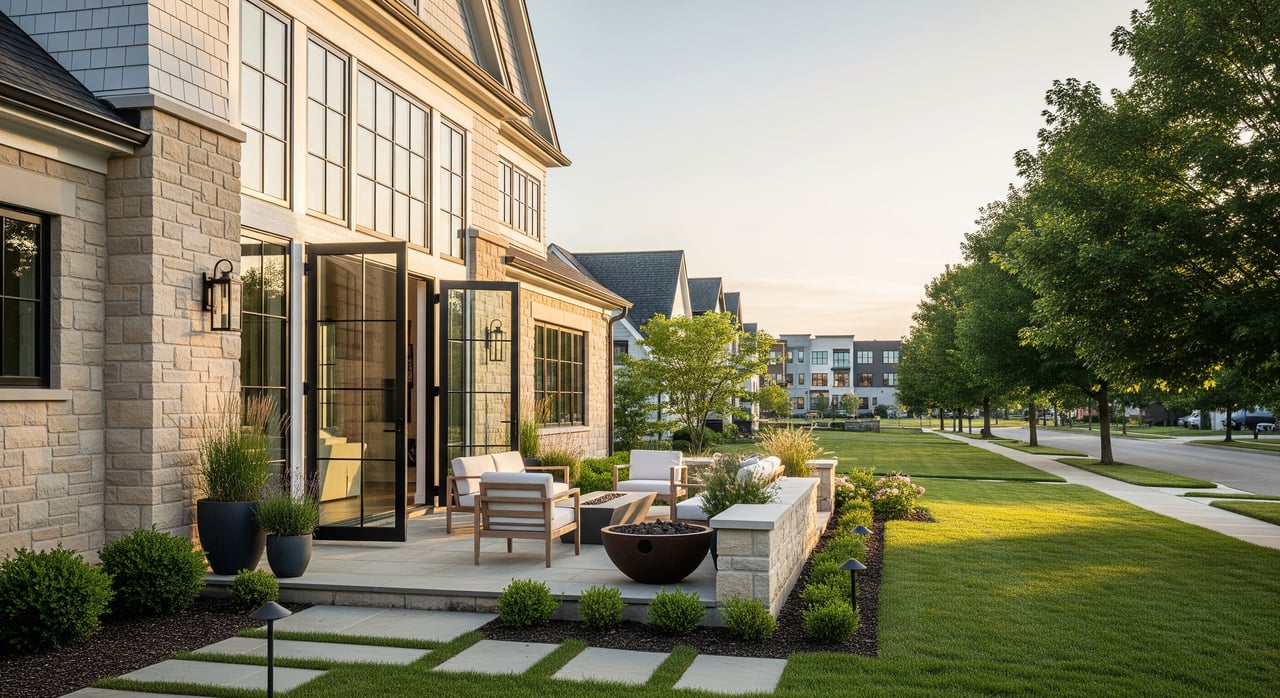
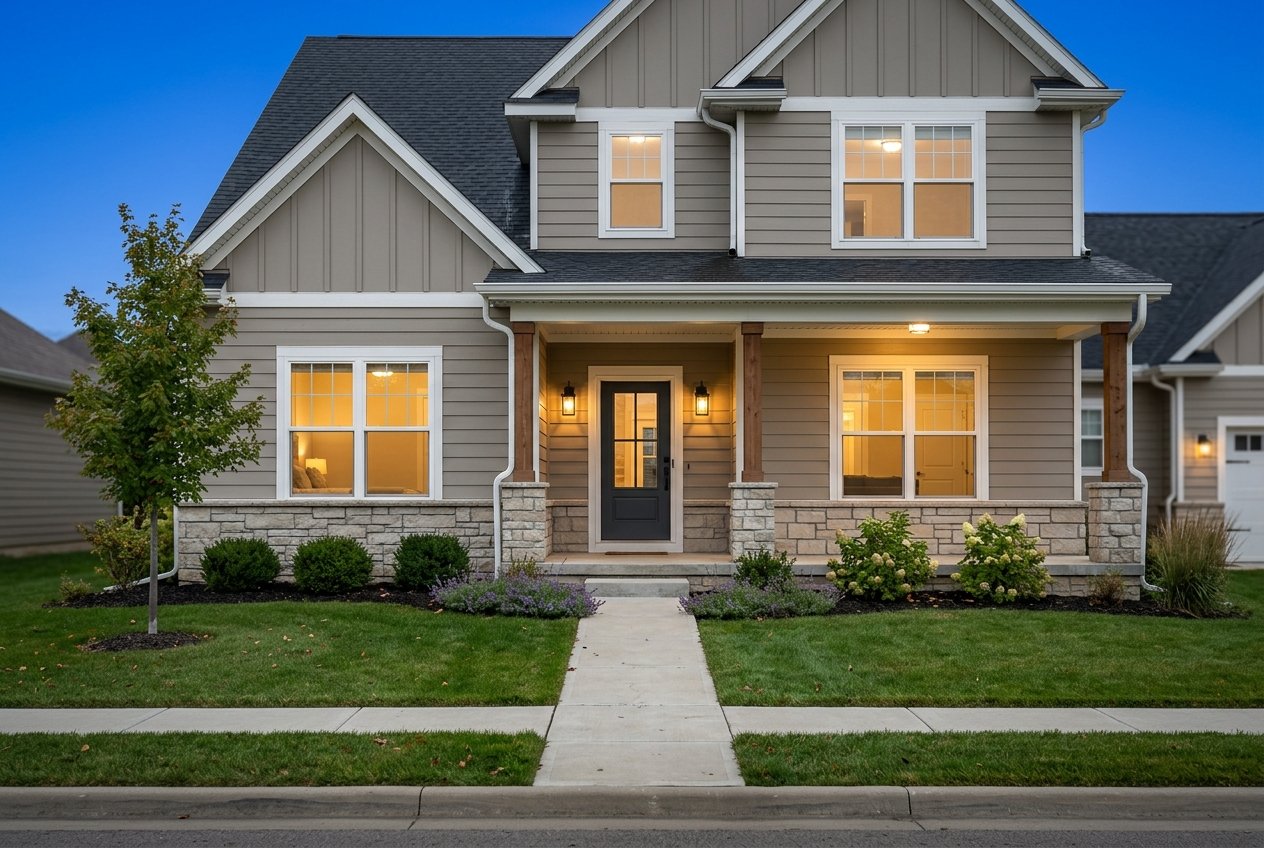
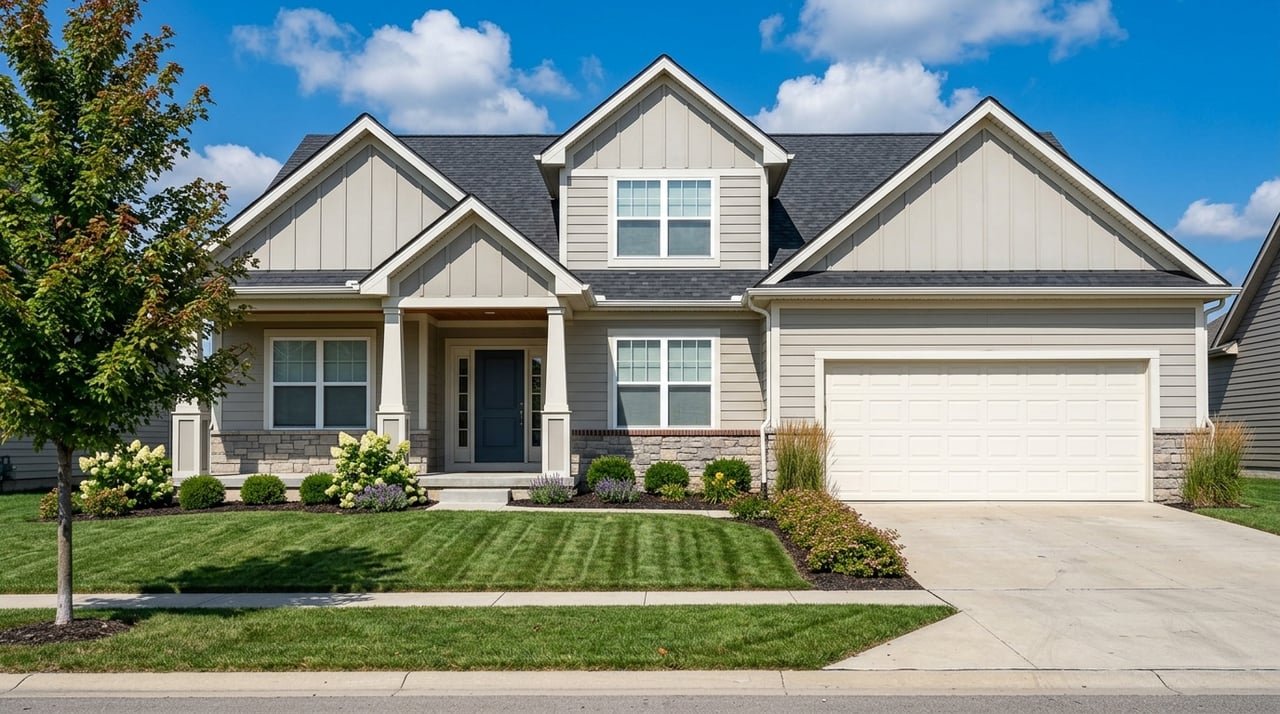
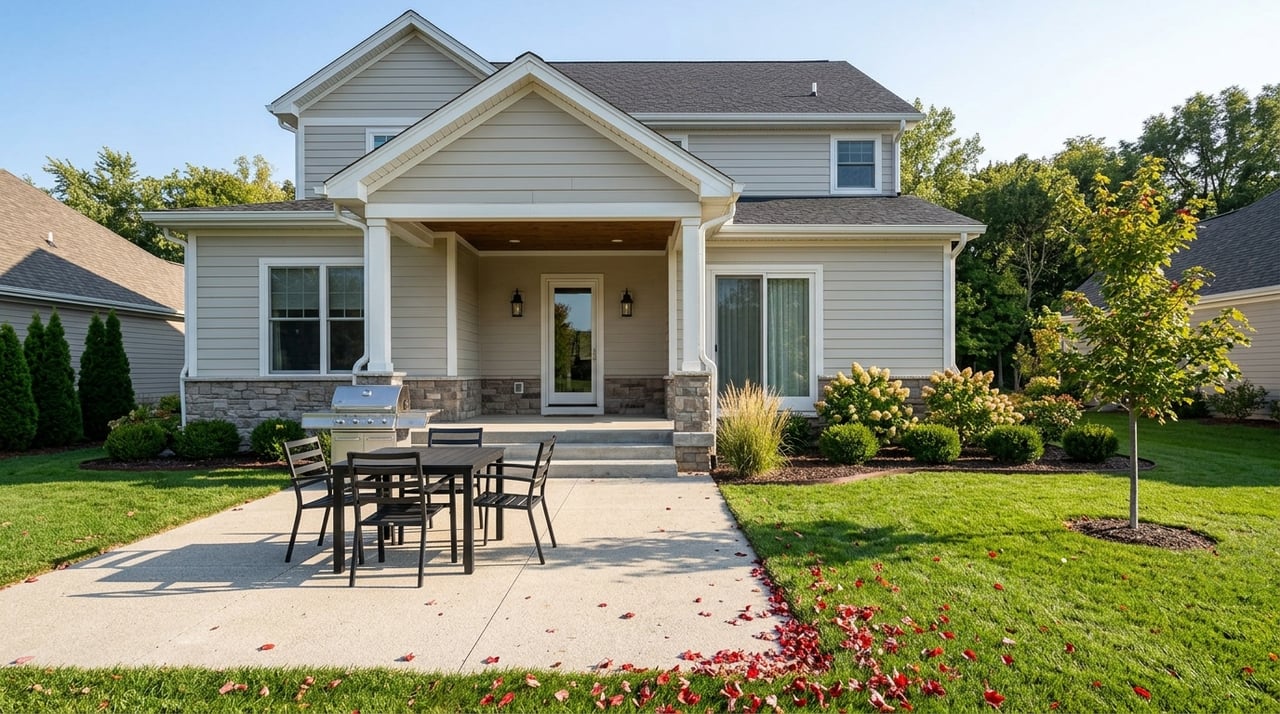
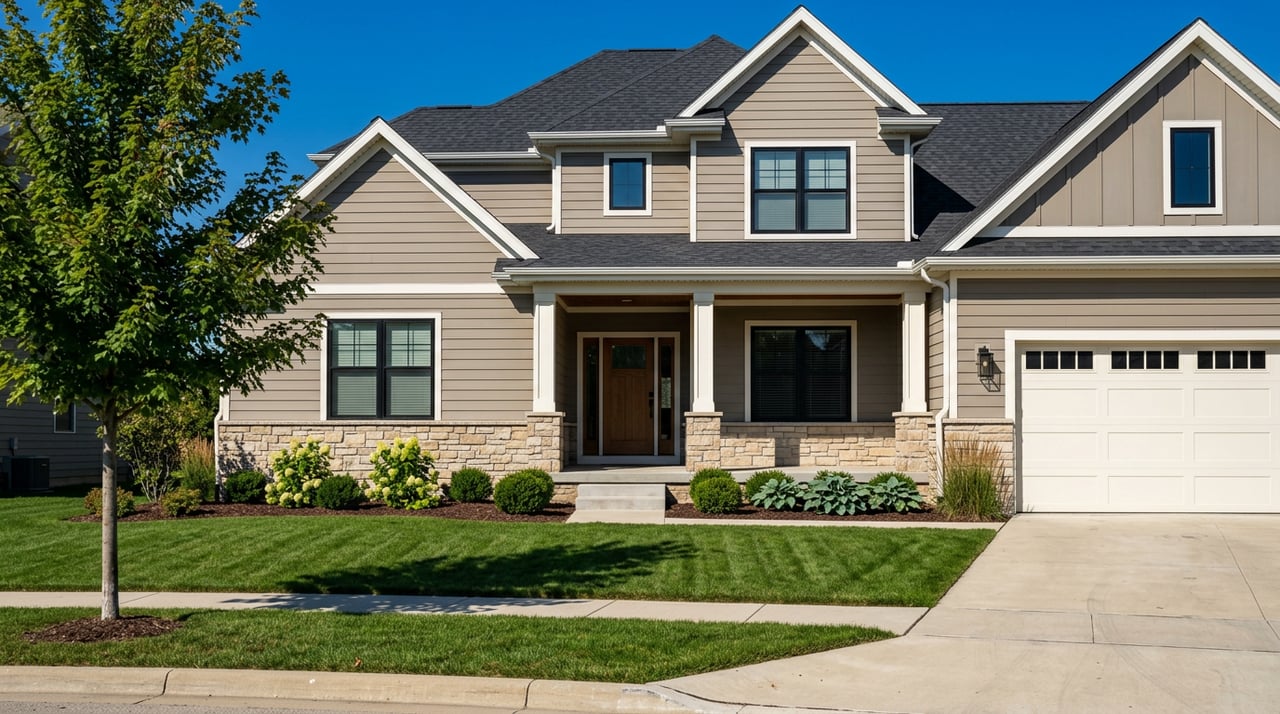
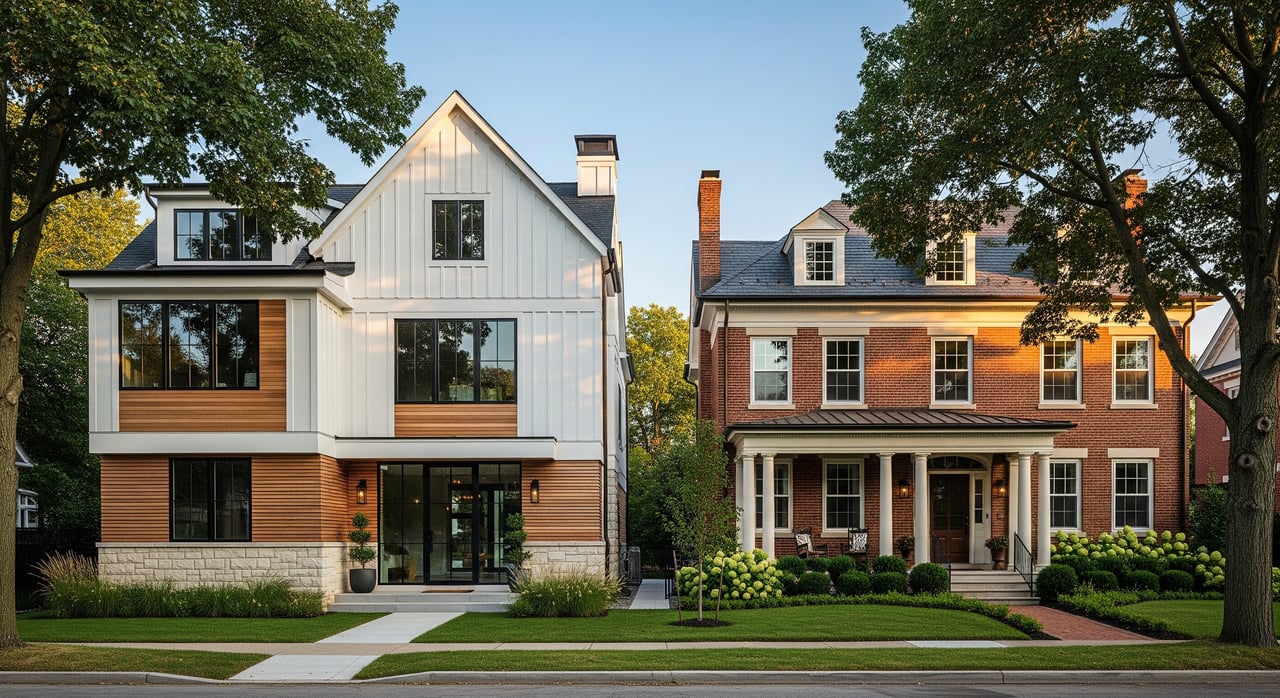
Single-family homes dominate the outer edges of the corridor. You’ll see ranch plans, two-stories, and modern suburban designs from the 1990s to present. Lots are typical for the suburbs, and many communities include sidewalks and neighborhood features.
Attached townhomes and smaller condo communities appear closer to the retail core and in select infill pockets. These can offer lower maintenance and some walkable access to shopping and dining. If you prefer a lock-and-leave lifestyle, start here.
Near the shopping and office areas, you’ll find several apartment communities, including many newer Class-A options. Expect on-site amenities like pools and fitness centers. These properties often attract corporate renters and residents who want a quick drive to major employers.
Many subdivisions are part of homeowners associations. Dues often cover common-area maintenance, landscaping for shared spaces, or private streets. Builders’ neighborhoods may include architectural guidelines and design standards to keep a consistent look and feel.
The Polaris area often prices above select parts of Columbus due to newer construction, strong retail access, and demand for nearby school options. You can still find more affordable townhomes and apartments, especially if you prioritize convenience or a smaller footprint. For specific price points or rent ranges, plan to check current listings and market reports when you’re ready to shop.
Polaris is designed around driving, with strong access to regional highways. Your commute experience will depend on your schedule and exact start point.
Major routes like I-71, I-270, and US 23 make car commutes straightforward. Driving to central Columbus commonly takes about 20 to 40 minutes, depending on traffic and your location. Expect more congestion near Polaris Parkway during rush hour and peak shopping periods.
Public transit service exists but is more limited here than in the urban core. Some routes and park-and-ride options may connect you to downtown, though many residents rely on driving. Sidewalks and short-range paths are common in and near shopping areas, while long-distance cycling commutes require extra planning.
Parking is ample in retail areas and most apartment communities. HOAs may have specific rules for street parking inside neighborhoods. Plan for busier traffic patterns during holidays and weekend evenings around the retail center.
If convenience tops your list, Polaris delivers. The corridor includes a large shopping center with national retailers, department stores, and specialty shops. You’ll also find a wide range of chain and independent restaurants, coffee shops, fitness centers, and big-box stores.
For day-to-day needs, multiple grocery options, banks, pharmacies, salons, and pet services are within a short drive. This concentration of services is part of what makes the area a regional draw and simplifies errands.
You’ll find outpatient clinics, urgent care, and primary care offices throughout the corridor. Larger hospitals and specialized care are available across the Columbus metro and are reachable by car. For most routine needs, you can stay close to home.
Polaris puts you near a network of county and state parks, multi-use trails, and reservoirs in Delaware County. Many HOA communities include playgrounds, pools, and open space, and you can reach bigger trail systems with a short drive. If you like weekend hikes, kayaking, or biking, you’ll have appealing options nearby.
School district assignment varies by address. Many addresses in and around Polaris fall within the Olentangy Local School District, while other streets can be assigned to Westerville or Columbus-area districts. Boundaries change over time, so confirm the district for any specific property before you make an offer.
Childcare is widely available, with daycare and preschool options located near shopping corridors and within residential neighborhoods. Private and charter schools can also be found across the northern suburbs.
Use this quick list to see if Polaris matches your must-haves:
You start the day with a quick workout at your apartment gym, then head to the office via I-71. After work, you meet friends at a nearby restaurant and pick up groceries on the way home. Your weekends include trips to regional parks for hiking and a movie at the mall.
Your morning starts with a short neighborhood walk and coffee on the deck. The school bus stop is close by, and you work from home two days a week to avoid peak traffic. Evenings are for soccer practice, HOA pool time in season, and quick errands at big-box stores within a few minutes’ drive.
You move into a townhome near the retail corridor. The HOA handles exterior maintenance, and you can walk to dining spots for lunch. On weekends, you explore county parks and visit family across the metro using I-270.
If Polaris sounds like a match, your next move is to confirm the details that matter most: commute timing during your typical hours, the assigned school district for each address, HOA rules and dues, and current pricing. When you’re ready to compare neighborhoods, tour homes, or weigh new construction versus resale, you deserve a guide who understands both the market and the nuts and bolts of a home.
For clear, locally grounded advice and a smooth process from search to closing, connect with Bryce G Smith. With neighborhood expertise, a premium digital search experience, and practical construction insight, you’ll move forward with confidence. Schedule a free consultation.
Stay up to date on the latest real estate trends.
Contact Bryce today to learn more about his unique approach to real estate and how he can help you get the results you deserve.
8800 Lyra Dr Ste 600 Columbus OH 43240