Thinking about buying your first rental in Pickerington’s 43147 ZIP, but not sure where to start? You are not alone. Between pricing, rents, taxes, and local rules, it can feel like a lot to juggle. This guide gives you a simple framework to analyze deals, find trustworthy local data, budget realistic costs, and move forward confidently. Let’s dive in.
Why Pickerington attracts renters
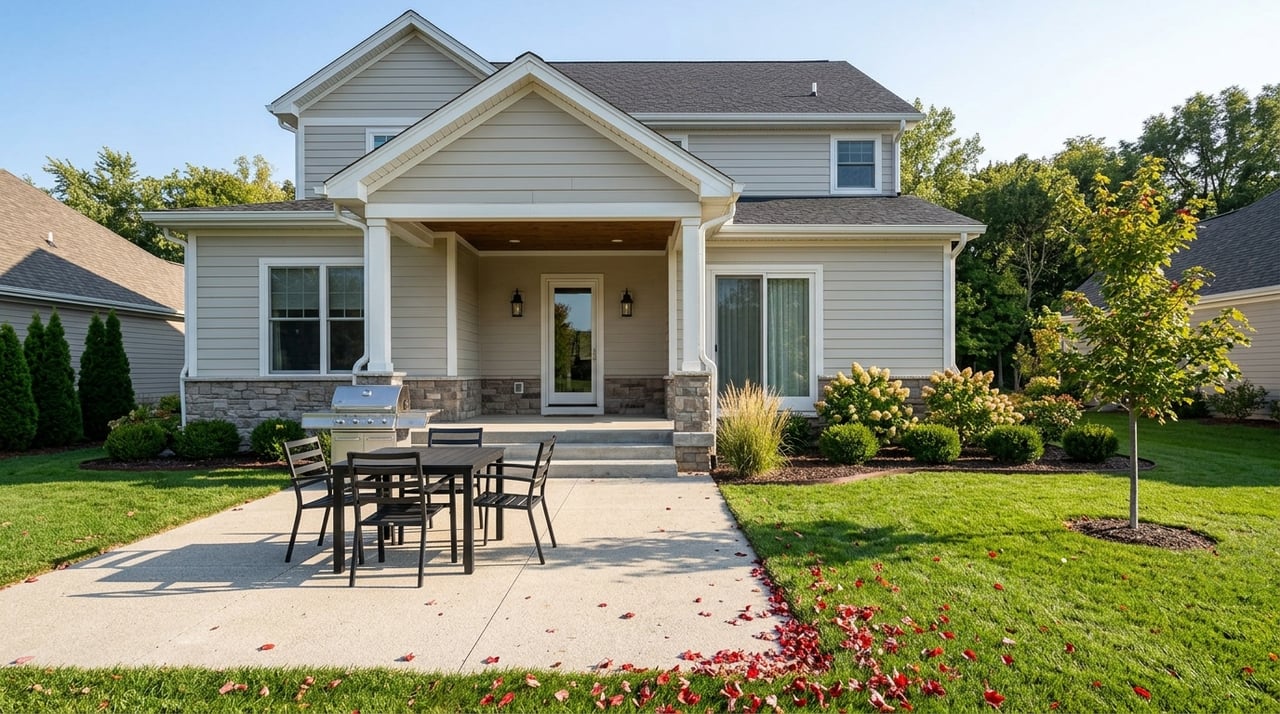
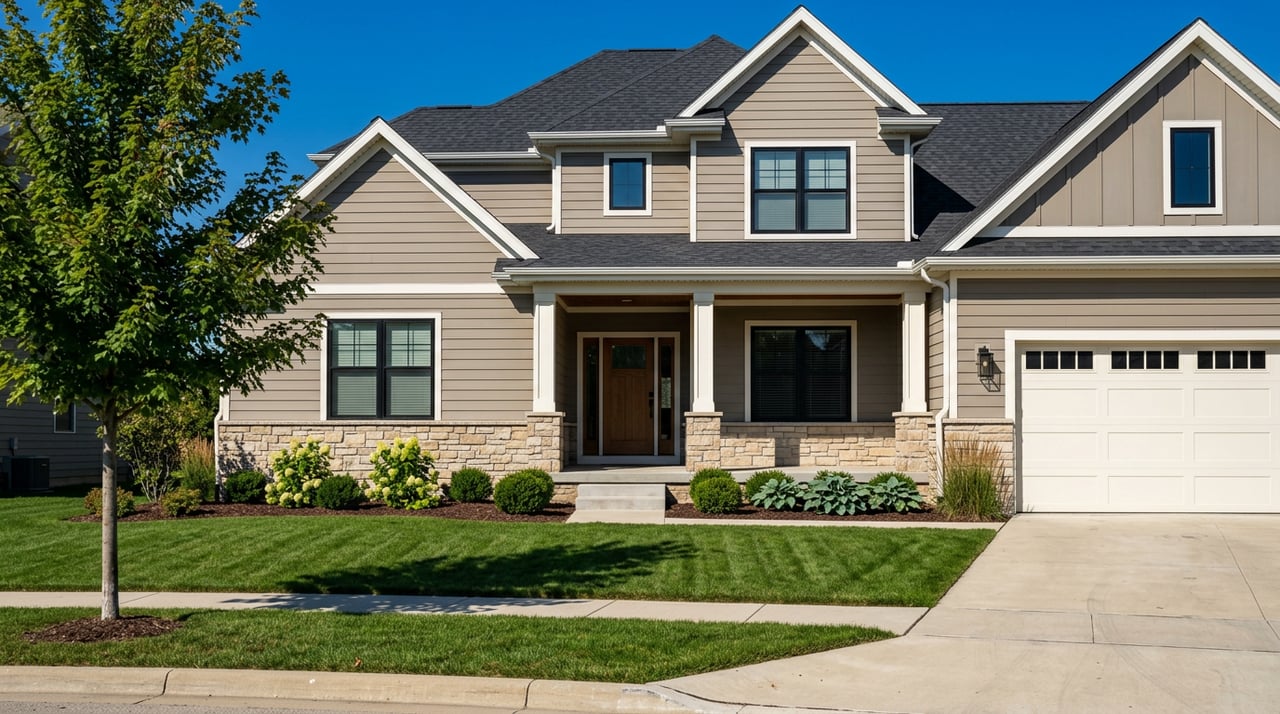
Pickerington offers suburban single-family homes that appeal to long-term renters who want yard space and neighborhood stability. Proximity to I-70, I-270, and US-33 gives you easy access to major Columbus employment centers. The housing stock includes many 3 to 4 bedroom homes that fit family-sized households. The Pickerington Local School District is a consideration for many renters, which can help support steady demand.
Where to find local numbers
Use these sources to build your local picture for 43147. Each one helps you validate a different part of the underwriting math.
- Sale prices and comps: Local MLS data and sold-comparable searches help you gauge value and days on market. You can also review public listing portals, but rely on MLS for accuracy when possible.
- Demographics and baseline rents: The U.S. Census Bureau’s American Community Survey provides median rent, household income, and renter versus owner share. Start with the ACS 5-year estimates for context at the ZIP code level. Visit the ACS program overview at the U.S. Census Bureau for methodology and tools.
- Regional rent benchmarks: HUD Fair Market Rents give you a conservative starting point for area rent levels by bedroom count. Use FMRs to sanity-check your rent assumptions against the broader Columbus metro.
- Property taxes and parcel details: The Fairfield County Auditor site lists assessed value, tax history, and parcel specifics. Always verify the actual annual tax bill here.
- Local rules and zoning: The City of Pickerington website is your hub for municipal code, planning, and any rental registration or inspection requirements.
- State landlord-tenant law: The Ohio Revised Code governs security deposits, notices, and eviction procedures. Review the statutes before you draft a lease or serve notices.
Helpful links:
Underwriting basics that work here
Focus on a few core metrics so you can compare properties quickly and consistently.
Key metrics you should know
Gross Rent Multiplier (GRM)
- Formula: GRM = Purchase Price ÷ Annual Gross Rent
- How to use it: Lower is better for cash flow potential. It is a fast screen because it ignores expenses and financing.
- Typical single-family target range often falls between 8 and 12 in many suburban markets. Calibrate to current 43147 comps.
Rent-to-Price Ratio
- Formula: Monthly Rent ÷ Purchase Price
- How to use it: A quick way to see rent relative to price. The classic “1 percent rule” is not a guarantee. In many suburban areas, 0.6 percent to 1.1 percent is more realistic.
Capitalization Rate (Cap Rate)
- Formula: Cap Rate = Net Operating Income (NOI) ÷ Purchase Price
- NOI = Annual Gross Rent − Operating Expenses − Vacancy Losses
- How to use it: Compares return before financing. Many single-family properties trade around 4 percent to 8 percent depending on risk and demand.
Cash Flow (before tax)
- Formula: Annual Cash Flow = NOI − Annual Debt Service
- How to use it: Shows what is left after your mortgage. Your lender’s rate, down payment, and loan terms will drive this number.
Debt Service Coverage Ratio (DSCR)
- Formula: DSCR = NOI ÷ Annual Debt Service
- How to use it: Many lenders want DSCR above about 1.2. Ask your lender for the exact requirement.
Practical expense assumptions
When you first screen a property, use conservative placeholders that reflect local reality.
- Vacancy and credit loss: 5 percent to 10 percent of gross rent.
- Operating expenses: 30 percent to 50 percent of gross rent for single-family, depending on age and condition. Use 40 percent or more if you lack specific quotes.
- Property management: 8 percent to 12 percent of collected rent for single-family in the Columbus metro. Confirm with local firms.
- Capital reserves: 5 percent to 10 percent of rent, or set a fixed dollar amount for systems and replacements.
Quick example with hypothetical numbers
- Example property: Purchase price $250,000 with expected monthly rent of $1,700. Annual rent = $20,400.
- GRM = 250,000 ÷ 20,400 ≈ 12.25
- Rent-to-price = 1,700 ÷ 250,000 = 0.68 percent
- Assume operating expenses including vacancy at 40 percent of gross = $8,160
- NOI = $20,400 − $8,160 = $12,240
- If annual mortgage payments total $12,000, cash flow is about $240 per year
- Cap rate = $12,240 ÷ $250,000 ≈ 4.9 percent
Small changes matter. If you negotiate a $240,000 price or raise rent to $1,800 with the same expenses, your cap rate and cash flow can improve materially. Always test a few scenarios before you write an offer.
Realistic Pickerington holding costs
Budget for these items from day one. Then replace estimates with real quotes as you move toward closing.
- Mortgage: Investment loans often require 20 percent to 25 percent down with higher rates. Get written quotes.
- Property taxes: Use the Fairfield County Auditor page to confirm the latest annual bill and any special assessments.
- Insurance: Ask for a landlord dwelling policy with liability coverage. Rates vary by property characteristics and claims history.
- Utilities: Clarify who pays water, sewer, trash, gas, and electric. If you will pay any utilities, request past bills from the seller.
- Property management: Expect 8 percent to 12 percent of collected rent. Some managers charge leasing or renewal fees.
- Maintenance and repairs: Budget 5 percent to 10 percent of rent plus separate reserves for big-ticket items like roof or HVAC.
- HOA fees: Confirm amount, frequency, and rental rules. Some HOAs restrict rentals.
- Vacancy and turnover: Plan for one month of rent per year or a 5 percent to 10 percent vacancy factor, plus cleaning and touch-ups between tenants.
- Legal and eviction: Ohio timelines vary. Set aside a contingency for attorney fees and court costs, which can range widely.
- Flood risk: Check FEMA flood maps before you bind insurance. Flood insurance is separate and may be required by lenders. Use FEMA’s Map Service Center: FEMA Flood Maps
Local rules you need to know
- State landlord-tenant law: Ohio statutes control notice periods, deposits, and eviction procedures. Review the Ohio Revised Code before you finalize lease terms.
- City registration and inspections: Confirm with the City of Pickerington whether any rental registration, inspections, or fees apply to single-family rentals.
- Short-term rentals: If you are evaluating short-term or mid-term rentals, verify city rules and check HOA bylaws for restrictions.
- Code compliance: Ask the city about any open permits or code enforcement actions on the property before you close.
Step-by-step evaluation checklist
Follow this simple workflow so you do not miss key steps.
Step 0 — Market prep
- Pull ZIP 43147 sale trends from your MLS and public portals for context.
- Review baseline rents using HUD FMRs and ACS. Supplement with local rental comps.
Step 1 — Property data
- Look up the parcel on the Fairfield County Auditor site for taxes, last sale, and lot details.
- Gather listing data: beds, baths, year built, lot size, HOA, and days on market.
- Build rent comps from similar single-family homes in Pickerington and nearby neighborhoods.
Step 2 — First-pass underwriting
- Compute GRM and rent-to-price. Screen out obvious non-starters.
- Use vacancy at 7 percent to 10 percent and operating expenses at 35 percent to 45 percent for a conservative pro forma.
- Calculate NOI, cap rate, and estimated cash flow with realistic loan terms.
Step 3 — Validate numbers
- Replace estimates with the actual tax bill, an insurance quote, and written management fee schedules.
- Get contractor estimates for any visible repairs or upgrades.
Step 4 — Inspections and legal
- Order a full home inspection, and add HVAC, roof, pest, or sewer scope as needed.
- Check for open permits or code violations with the city and confirm zoning and any HOA rental rules.
Step 5 — Financing and offer
- Get pre-approval for your investment loan with clear DSCR and down payment requirements.
- Structure your offer using the pro forma and inspection findings to support price and credits.
Step 6 — Closing and setup
- Budget for closing costs and set aside reserves for first-year repairs.
- Prepare an Ohio-compliant lease, move-in checklist, and security deposit accounting.
Common mistakes to avoid
- Chasing the “1 percent rule” without checking local rents and condition.
- Ignoring the actual tax bill and special assessments on the Auditor site.
- Underestimating expenses and skipping capital reserves.
- Overlooking HOA rental restrictions that limit leasing.
- Skipping specialty inspections that reveal costly issues later.
How a local expert helps you
You will make better decisions with local, construction-informed guidance. With a background in construction management, I help you spot condition risks early, estimate practical repair budgets, and negotiate credits with confidence. I can pull the most accurate MLS comps, coordinate inspections, and connect you with trusted lenders, insurance agents, and property managers so you set your rental up the right way.
If you are ready to run the numbers on a specific Pickerington property or want a custom rental analysis for 43147, reach out to Bryce G Smith. Let’s review your goals, the math, and a plan that fits your timeline.
FAQs
What is a good cap rate for 43147 rentals?
- In many suburban single-family markets, cap rates often range from about 4 percent to 8 percent. Use your verified rent, real expenses, and the actual tax bill to calculate the true cap rate for each property.
How do I estimate rent for a 3-bedroom in Pickerington?
- Start with HUD Fair Market Rents for the Columbus metro, check ACS for broader rent context, then validate against recent local comps for similar single-family homes in 43147.
How should I budget property taxes in Pickerington?
- Always pull the parcel’s current annual bill from the Fairfield County Auditor and include any levies or special assessments. Do not rely on rough percentages alone.
Do I need a rental license or inspection in Pickerington?
- Check the City of Pickerington website for current rental registration or inspection requirements for single-family rentals and confirm any fees or timelines before you lease.
How long does an eviction take in Ohio?
- Timelines vary by case and court. State law governs notices and procedures, and time to possession can be several weeks to months. Review the Ohio Revised Code and consult local counsel for current guidance.
What DSCR do lenders want for a Pickerington rental?
- Many lenders target a DSCR above roughly 1.2 for investment loans, but requirements vary. Ask your lender for their exact threshold and how they calculate NOI.