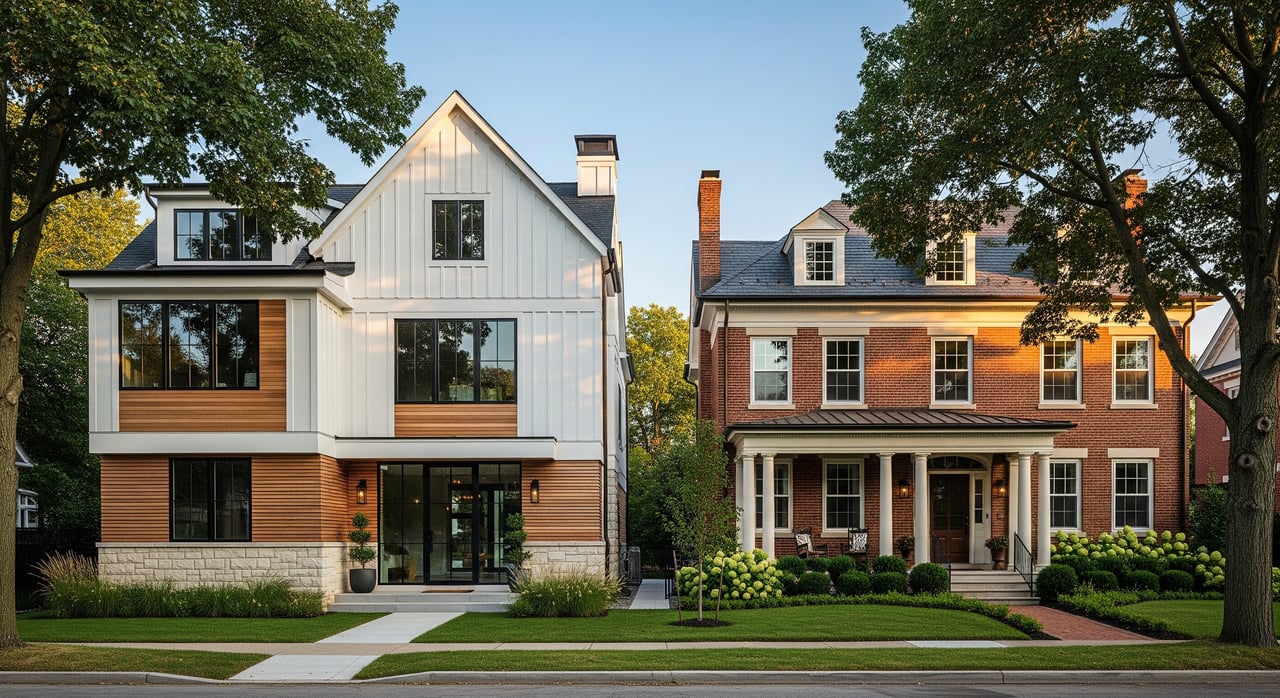
Torn between a shiny new build and a charming resale in Westerville? You are not alone. Many move-up buyers weigh modern features and warranties against established neighborhoods and potential value. In this guide, you will learn how costs, timelines, warranties, inspections, and negotiation strategies differ so you can choose with confidence. Let’s dive in.
New vs. resale at a glance
- New construction gives you modern systems, energy-efficient design, customization, and builder warranties. You will also navigate lot selection, options, and a build timeline.
- Resale homes often come with established neighborhoods, mature landscaping, and potentially better lot locations. You may need to plan for repairs or updates after closing.
- In Westerville, your decision often comes down to convenience and low maintenance vs. character, location, and value opportunities.
Cost comparison: new vs. resale
New construction cost components
When you price a new home, think in terms of the full, all-in number, not just the model’s base price. Your total typically includes:
- Base home price for the plan you choose.
- Lot premium based on size, view, and location within the community.
- Structural options and design upgrades for kitchens, baths, flooring, and more.
- Utility connections, possible impact fees, driveway, and initial landscaping.
- Temporary housing or overlap costs if you are selling and building at the same time.
New homes often carry a premium for newness and customization. The trade-off is fewer near-term repair costs because components like roof, HVAC, plumbing, and electrical are brand new and built to current code.
Resale cost components
With a resale, the headline price is just one part of the math. You will want to budget for:
- Repairs flagged by inspections, such as roof, HVAC, electrical, or plumbing.
- Cosmetic updates like paint, flooring, lighting, and hardware.
- Larger renovations if you plan to update kitchens or baths.
The upside is that you may get a more central or established location, potentially with mature trees and landscaping included in the purchase price.
Soft and ongoing costs
- Closing costs: These are similar for both paths. New home builders sometimes offer closing cost help or interest rate buydowns as incentives.
- Financing: New builds can involve construction loans or extended rate locks, while resales typically use standard mortgages. Renovation loans are an option for resales if you plan improvements.
- Utilities and energy: New homes built to modern codes tend to be more energy efficient. Look for builder energy packages or recognized benchmarks that align with U.S. Department of Energy and ENERGY STAR guidance.
- Property taxes: Check actual assessed values with the Franklin County Auditor. New construction can see tax changes as the home is fully assessed at or near market value after completion.
Timeline and process
New construction timing
Your timeline depends on the type of build and local conditions:
- Spec or inventory homes can close in roughly 30 to 90 days once finishes are complete and financing is ready.
- Production homes built from a plan usually take about 4 to 9 months, depending on builder backlog and permitting.
- Semi-custom and custom builds commonly range from 9 to 18 months or more because of design, selections, site work, and longer build cycles.
The City of Westerville Building Division manages permits, staged inspections, and the Certificate of Occupancy. Confirm the builder has passed final inspections and secured the CO before closing.
Resale transaction timing
Most resale transactions close in about 30 to 60 days, depending on inspection negotiations, appraisal, underwriting, and title work. Cash offers and flexible timelines can shorten the process.
Warranties and disclosures
New construction warranties
Many builders use a tiered warranty framework that commonly includes:
- 1 year for workmanship and materials.
- 2 years for major systems like plumbing, electrical, and HVAC, depending on the builder.
- 10 years for qualifying structural defects.
Always review what is covered, what is excluded, how to submit claims, and response timelines. Some builders require you to follow their warranty process first and may include specific dispute resolution terms in the contract.
Resale protections in Ohio
For resales, your protections are different. You typically rely on the seller’s disclosure, your inspection contingency, and title insurance. In Ohio, sellers generally provide a Residential Property Disclosure form. Your due diligence and negotiations around inspection items become the key safeguards.
Inspections and due diligence
New build inspections
Municipal inspections do not replace a buyer’s independent inspections. It is smart to schedule:
- A pre-drywall inspection to check framing, rough mechanicals, and layout before walls are closed.
- A pre-final inspection to verify systems and structure before finishes lock things in.
- A final walk and punch-list review to address cosmetic and functional items prior to closing.
Ask for the builder’s warranty documents, appliance manuals, maintenance schedules, and warranty claim contacts at closing. Confirm the Certificate of Occupancy has been issued by the City of Westerville.
Resale inspections
For a resale, line up a general home inspection. Add specialists as indicated by the home’s age and condition, such as sewer scope, chimney, pest, mold, or lead paint testing for homes built before 1978. An energy audit or HVAC performance check can help you understand utility costs. Review seller disclosures and verify past renovations had permits by searching City of Westerville permitting records.
Radon, drainage, and utilities
The EPA recommends testing all homes for radon, regardless of age. Elevated levels can be mitigated. In both new and resale purchases, pay attention to grading, gutters, and stormwater management. For new builds, confirm the lot’s drainage plan and any unfinished landscaping or hardscaping needs. For resales, ask about any history of standing water, sump pump performance, and roof or downspout upgrades.
Negotiation and financing
Negotiating new construction
Negotiation works differently with builders. Your best levers often include:
- Design studio credits or specific upgrade packages.
- Lot premium adjustments on select homesites.
- Builder concessions like closing cost credits or rate buydowns, especially near month or quarter end if inventory needs to move.
Base price flexibility varies with demand and the builder’s backlog. Builder contracts are usually standardized and may limit certain remedies, so review them with an experienced advisor before signing.
Negotiating resale
For a resale, you tend to negotiate on price, closing date, and inspection-related repairs or credits. If your inspection reveals material items, you may request repairs, a price reduction, or a seller credit at closing. Terms often depend on market conditions and how long the home has been on the market.
Financing differences
- New construction: Some buyers use construction-to-permanent loans that are interest-only during the build and convert to a standard mortgage at completion. Preferred lenders might offer incentives or rate buydowns.
- Resale: Conventional, FHA, VA, or USDA options may fit, and appraisals can be more straightforward if there are many comparable sales. Renovation loans are available when you plan improvements.
Appraisals on new homes can be tricky if there are few comparable new sales in the immediate area. That can affect loan-to-value and cash to close, so build a buffer into your plan.
Westerville factors to weigh
- Market context: Use Columbus REALTORS or local MLS data for the most current median prices, inventory, and days on market in Westerville ZIP codes 43081 and 43082.
- Builders and product types: The area includes established neighborhoods and newer subdivisions at the city’s edge. Investigate builder reputations, warranty processes, and standard specifications before you commit.
- Permits and inspections: The City of Westerville Building Division oversees permits, staged inspections, and CO issuance. Confirm current permit timelines and any stormwater requirements if you are selecting a lot.
- HOAs and community rules: Many new subdivisions include HOAs that govern architectural guidelines, landscaping, and amenities. Review covenants and fees before you sign.
- Schools and commute: Westerville City Schools serve much of the city and are a common priority for move-up buyers. Proximity to I-270, Polaris, and downtown Columbus can influence your daily routine and long-term resale.
- Taxes and assessments: Verify tax rates and assessed values with the Franklin County Auditor. Expect changes to taxes on new construction as assessments catch up to market value after completion.
Which path fits you
- Choose new construction if you value modern systems, energy efficiency, warranties, and the ability to customize layouts and finishes. You are comfortable with a longer timeline and making many selections.
- Choose resale if you value established neighborhoods, mature landscaping, and location options. You are willing to budget for repairs or updates and want a shorter closing timeline.
If you want the convenience of new without waiting, look for spec or inventory homes underway. If you want character with predictable costs, target resales with recent major system upgrades or a clean inspection history.
Quick checklists
New construction buyers
- Verify the builder’s Certificate of Occupancy and all municipal sign-offs.
- Get the builder’s written warranty coverage and claims process.
- Schedule independent inspections at pre-drywall and pre-final stages.
- Budget for landscaping, window treatments, and potential immediate upgrades.
- Confirm build timeline, allowances, and remedies for delays in the contract.
Resale buyers
- Order a full home inspection and add specialists as indicated.
- Review the seller disclosure and confirm permitted work with city records.
- Test for radon and consider a sewer scope, especially in older areas.
- Price your offer using recent comps and factor in renovation or repair costs.
- Confirm insurance, utility estimates, and any HOA fees.
Ready to compare specific Westerville addresses or a builder’s lot list side by side? Get a practical, construction-informed plan tailored to your family and timeline. Connect with Bryce G Smith for a local strategy that balances value, risk, and convenience.
FAQs
What hidden costs come with new construction in Westerville?
- Beyond the base price, plan for lot premiums, design upgrades, utility connections, landscaping, and potential temporary housing if your build overlaps with a sale.
How long does building a home usually take in Westerville?
- Spec homes can close in 30 to 90 days, production builds often take 4 to 9 months, and semi-custom or custom homes commonly run 9 to 18 months or more depending on permits and builder backlog.
Should I waive inspection on a brand-new home?
- No, independent inspections at pre-drywall and pre-final stages help catch issues early and support a thorough punch list before closing.
How do property taxes differ for new vs. resale homes?
- New construction can see tax adjustments once the home is fully assessed near market value; always verify current assessed values and rates with the Franklin County Auditor.
Can I negotiate price or perks with a builder?
- Often yes, but the leverage is usually in upgrades, closing credits, or rate buydowns rather than base price, and it depends on market conditions and the builder’s inventory.
What is a Certificate of Occupancy and why does it matter?
- The CO is the city’s confirmation that required inspections are complete and the home is approved for occupancy; you should confirm it is issued before closing.