Buying or selling in Columbus and nervous about the home inspection? You’re not alone. An inspection can surface everything from small fixes to big-ticket issues, and it helps you make clear, confident decisions. In this guide, you’ll learn what inspectors cover, how reports are delivered, the local risks to watch, how to prioritize findings, and smart ways to negotiate. Let’s dive in.
Ohio rules set the baseline
Ohio now licenses home inspectors, and state law sets expectations for contracts and reports. That gives you a consistent baseline across the state. You can review the licensing framework in the Ohio Revised Code and related rules that cover what must be included in inspection contracts and reports. See the Ohio Revised Code Chapter 4764 and Ohio Administrative Code 1301:17-1.
Inspectors typically follow industry Standards of Practice, such as InterNACHI or ASHI, which define what is inspected and what is excluded. The inspection is visual and noninvasive. It is an opinion on the home’s condition on the date of inspection, not a warranty. When you summarize findings, note the report date and the inspector’s license number for clarity.
What inspectors check
A standard general home inspection in Columbus covers major systems and components. Expect the inspector to evaluate:
- Roof covering and penetrations, gutters, and visible flashings.
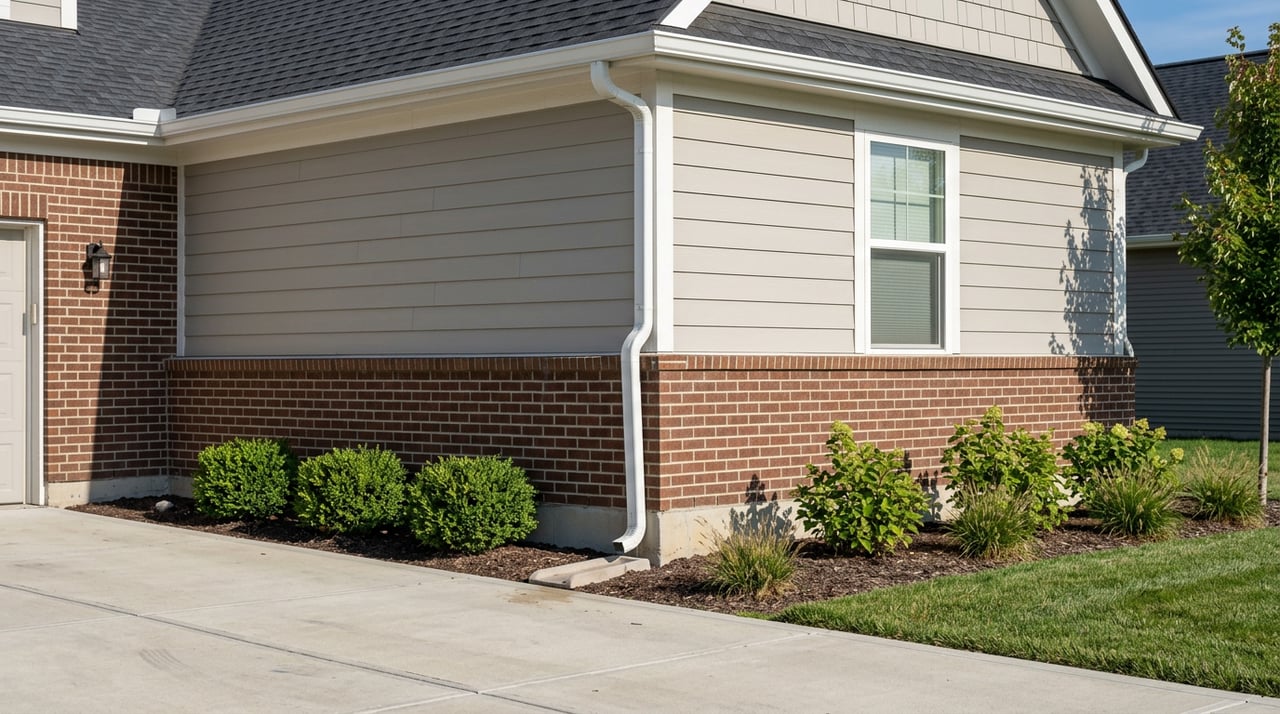
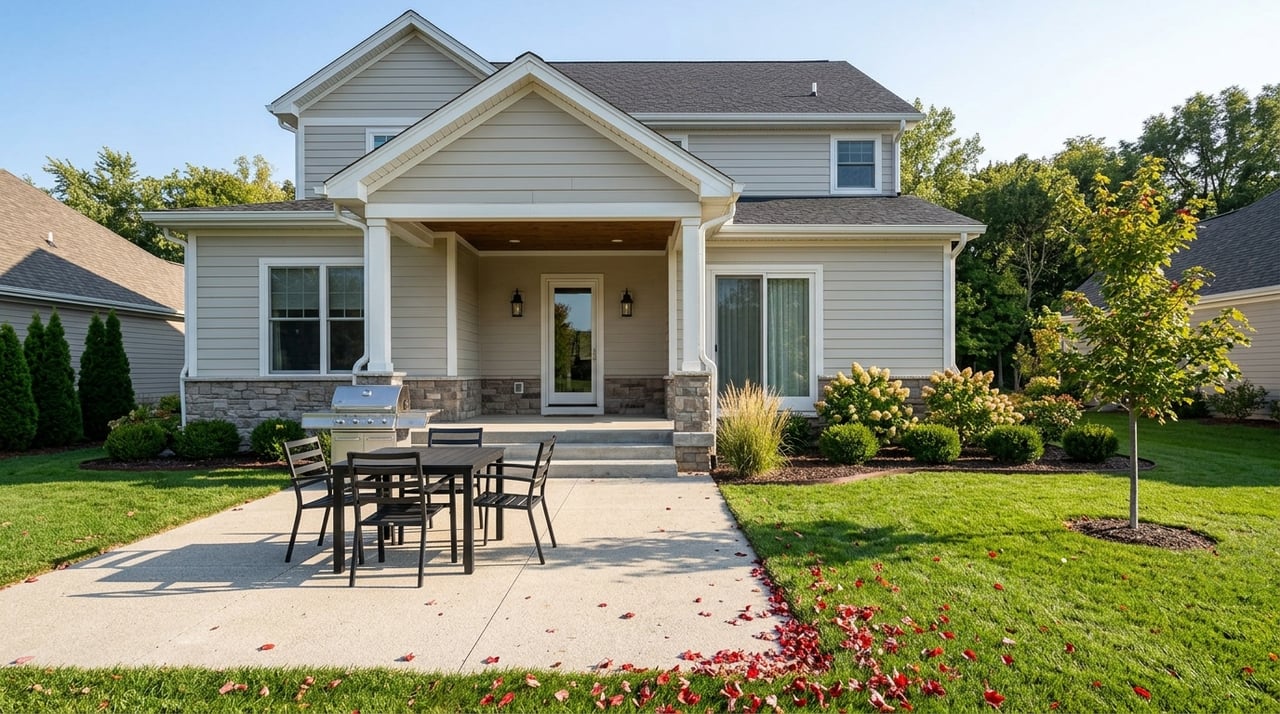
- Exterior cladding, windows, doors, decks, and grading/drainage.
- Foundation, basement, or crawlspace if accessible, plus signs of movement or water intrusion.
- Heating and cooling systems operated with normal controls; water heater; visible plumbing.
- Electrical service, main disconnect, panel(s), and visible branch wiring under normal access.
- Interior walls, ceilings, stairs, and accessible attic insulation and ventilation.
On-site time for a typical single-family home is often 2 to 4 hours, with larger or older homes taking longer. Many inspectors deliver a full illustrated electronic report within 24 to 48 hours. For timing norms, see this overview of inspection duration and reporting.
What a standard inspection does not include
Some important checks are not part of the standard scope. These add-ons are usually ordered and priced separately:
- Radon testing (short or long term)
- Sewer camera scope
- Well and septic inspections
- Pest or wood-destroying organism (WDO) reports
- Lead or asbestos sampling; formal mold testing
- Specialized HVAC performance testing or structural engineering assessments
If you need any of these, plan to order them alongside the general inspection. Here’s a helpful outline of the home inspection process and add-ons.
Columbus findings to expect
Columbus is a large and varied housing market with a wide range of home ages and systems. For local context on the market’s size and housing stock, check the city’s Census QuickFacts.
- Radon is common in Franklin County. Local health sources recommend testing because many area homes show elevated levels. Learn about local programs and testing options through this Franklin County radon resource.
- Clay-rich soils and glacial deposits are typical in Central Ohio. Poor grading and drainage can increase the chance of basement moisture and foundation movement. Cost ranges for repair vary widely; see local context on foundation repair in Columbus.
- Older neighborhoods often include legacy systems. Inspectors may flag aluminum wiring, older electrical panels, and aging plumbing or roofs. For background on electrical risk items, review InterNACHI’s guidance on inspecting electrical components.
Prioritize findings like a pro
Not all inspection items are equal. Use this simple rubric to focus on what matters most:
- Immediate safety hazards: Exposed live wiring, missing smoke or CO detectors, active gas leaks, or flooding that affects habitability. These deserve prompt attention and professional correction. InterNACHI offers context on electrical safety considerations.
- Major functional or insurability items: Active roof leaks, significant foundation movement or water intrusion, failed heat in winter or A/C in summer, sewer line failures, or radon above 4.0 pCi/L.
- Medium, near-term maintenance: Near end-of-life HVAC or water heater, a few failed window seals, gutters or downspouts not directing water away from the foundation.
- Cosmetic or normal wear: Peeling paint, minor trim or door alignment, scuffs, or grout touch-ups.
Focus your negotiation list on the first two categories. Get contractor quotes for big-ticket items so you can make informed requests.
Timelines and contingency tips
In many Columbus-area contracts, the inspection contingency window is often about 7 to 12 days. Your exact deadline is negotiable and will be set in your purchase contract. Schedule the inspection as early in that window as possible so you have time for add-on tests and estimates.
Plan to attend at least the last 20 to 45 minutes for an in-person walkthrough. This is where you can see key items firsthand and ask questions. For timing expectations and best practices, review this note on inspection duration and client walkthroughs.
Expect the full written report within 24 to 48 hours. Review it the same day you receive it so you can meet your contingency deadline.
Smart negotiation options
After you receive the report, you and your agent can consider:
- Seller repairs: The seller completes agreed work with a licensed contractor and provides receipts.
- Repair credit or price reduction: You take the work on after closing and control contractors and scope.
- Escrow or holdback: Funds are set aside at closing to ensure specific repairs are completed.
- As-is purchase: Used in competitive cases. This carries risk and should be weighed carefully.
Lead with safety, structural, water intrusion, major electrical, and items that could affect financing or insurance. Keep your request list concise and focused.
Buyer checklist: Columbus edition
- Book the inspection immediately after you go under contract so you maximize your contingency window.
- Add-ons: Strongly consider radon testing in Franklin County. Order a sewer scope if the home is older, has large trees nearby, or shows slow drains. Add WDO, well, and septic inspections if relevant.
- Attend the final walkthrough portion. Take notes and photos to help you remember key items.
- Expect your full report within 24 to 48 hours. Prioritize safety, structure, and major systems first.
- For large items, get 1 to 3 bids quickly and submit a clear repair or credit request before your deadline.
Seller checklist: Set up a smoother sale
- Consider a pre-listing inspection to surface big issues early and build buyer confidence. Here’s an overview of how the inspection process works.
- Address obvious safety items if feasible: smoke and CO detectors, exposed wiring, and active leaks. Keep receipts for buyers.
- If buyers request repairs, focus on safety and major items. For smaller or time-sensitive issues, a fair credit can keep the deal on track.
Local add-ons and cost context
Ready for your next step?
A careful, well-timed inspection can save you money and stress. If you want help reading your report, prioritizing repairs, or negotiating smartly, lean on a local pro who understands Columbus construction and market norms. Reach out to Bryce G Smith for clear, step-by-step guidance tailored to your goals.
FAQs
How long does a Columbus home inspection take and when do you get the report?
- Most take 2 to 4 hours on site, with a full written report typically delivered within 24 to 48 hours.
What add-on tests are most important in Columbus?
- Radon testing is strongly recommended in Franklin County; sewer scopes are wise for older homes or properties with large trees.
Are Ohio home inspectors licensed and what does that mean for you?
- Yes, Ohio licenses inspectors and sets rules for contracts and report content, which helps standardize quality and transparency.
What issues do Columbus inspectors commonly find?
- Elevated radon, drainage and basement moisture tied to clay soils, and aging systems in older homes such as outdated electrical components.
How should you respond to high radon in a report?
- Radon above 4.0 pCi/L is actionable; request mitigation or a credit and hire a certified mitigator for a permanent system.
What should sellers fix before listing in Columbus?
- Prioritize clear safety items and active leaks. Consider a pre-listing inspection to address major concerns and reduce renegotiations.