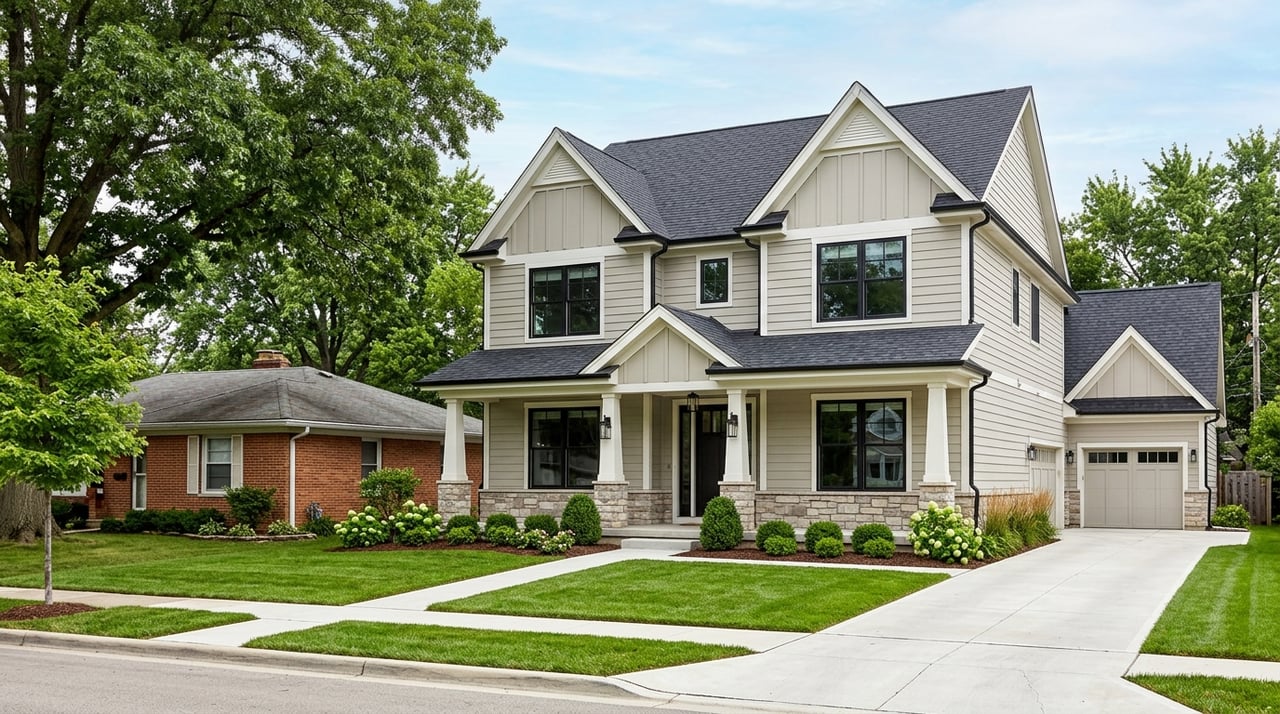
Canal Winchester Home Comparison: Older vs. Newer
June 4, 2026
June 4, 2026
Trying to choose between an older home and a newer one in Canal Winchester? You are not alone. This is one of the most common decisions buyers face here because Canal Winchester offers both historic charm and newer subdivision living in the same market. If you are weighing character, upkeep, layout, and long-term value, this guide will help you compare your options with more confidence. Let’s dive in.
Canal Winchester stands out because its housing stock spans very different eras. You can find older homes near the historic core and newer construction in growing subdivisions, which means your decision is not just about style. It is also about how you want to live day to day, what kind of maintenance you are comfortable with, and how much flexibility you want for future updates.
The city’s planning documents show that nearly one-third of home sales in the 2019 through November 2022 sample were newly built. Most of those new-construction sales were in Villages at Westchester, Turning Stone, and Canal Cove. The same report notes that newer homes typically sell for more, with average sale prices of $321,938 for new homes compared with $289,116 for resales.
That does not mean older automatically equals lower value. Canal Winchester also notes that some historic homes are high-value properties, so the age of a home alone does not determine what it is worth. In other words, your best fit comes down to features, condition, location within the city, and your plans for the property.
Older homes in Canal Winchester often bring more individuality. In the city’s older areas, housing types include 1½-story cottages, cross-gabled cottages, I-houses, side-hall plans, gabled ell houses, American Foursquares, and bungalows. That variety creates a very different feel from a newer subdivision where homes may follow a more standardized product mix.
If you like homes with distinct facades, porches, and room arrangements, older properties may appeal to you. These homes often have a different relationship to the lot and streetscape, especially in areas covered by the city’s Old Town Guidelines. For many buyers, that character is a major part of the draw.
Older homes can also offer renovation upside. If you are open to improving a property over time, an older resale may give you room to build value through thoughtful updates. Canal Winchester’s Old Town Guidelines specifically encourage preservation and rehabilitation, and they also support a phased, cost-conscious approach to projects.
The tradeoff is that older homes usually require more systems awareness. If a home has aging insulation, windows, air leaks, or moisture issues, the work may not always be visible at first glance. The U.S. Department of Energy recommends starting with a home energy assessment to identify inefficiencies and prioritize upgrades.
That is where practical guidance matters. If you are considering an older home, it helps to look beyond finishes and think about the roof, windows, HVAC, insulation, ventilation, and moisture control. A home can have great bones and still need a clear plan.
If a home is located in Canal Winchester’s Historic District, exterior changes may be reviewed by the Landmarks Commission. The city’s Old Town Guidelines cover the oldest portions of the community, including both a Historic District and a Preservation District. That can be a positive if you value consistency and preservation, but it also means you should understand the process before planning exterior renovations.
This is especially important if you are dreaming about changing siding, windows, porches, roofing details, or other visible exterior features. Renovation potential is real, but so are design constraints in protected areas. Knowing that up front can save you time, money, and frustration.
If you are buying a home built before 1978, you should also plan carefully before starting renovations. The EPA says many homes built before that year have lead-based paint. It recommends lead testing before renovation when lead is suspected and notes that repair or painting work can create lead dust that requires lead-safe practices.
This does not mean you should avoid older homes. It means you should go in with a realistic plan and the right professionals. For many buyers, that kind of preparation is worth it for the character and long-term upside an older home can offer.
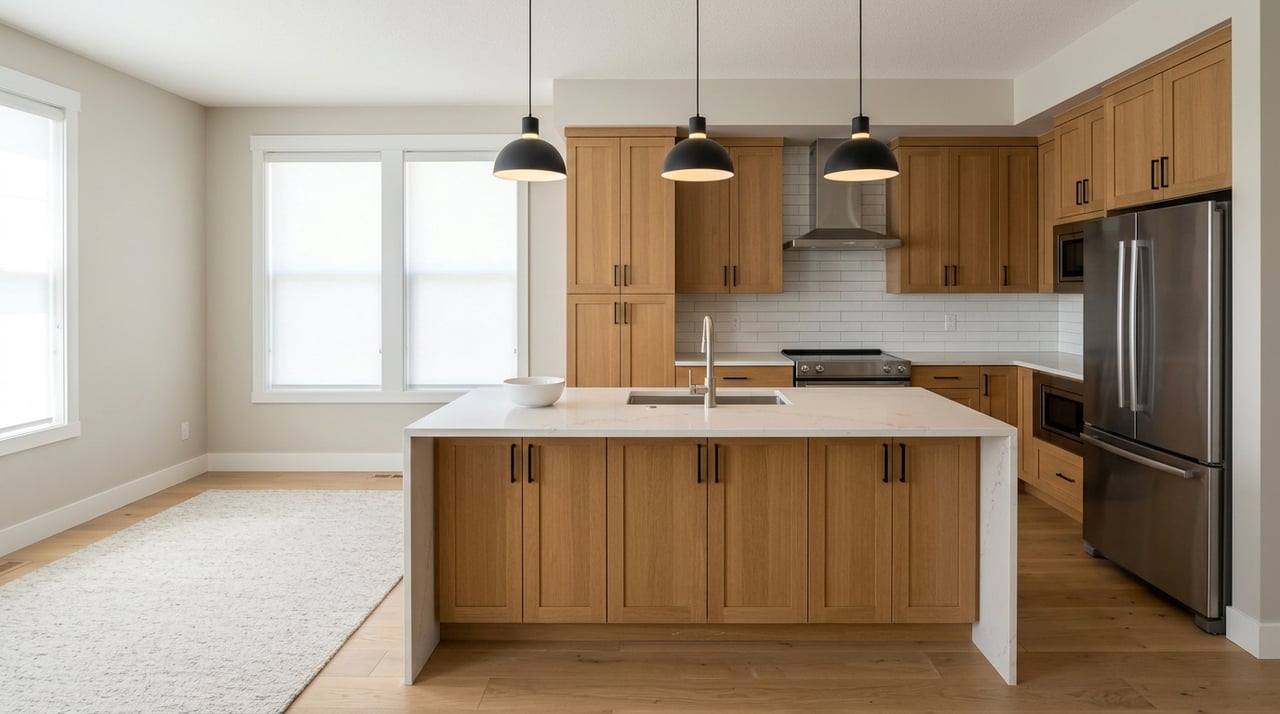
Newer homes in Canal Winchester often appeal to buyers who want a more predictable starting point. In many cases, you will get a layout designed around current living patterns, along with systems and materials that are closer to today’s standards. That can mean fewer immediate projects after closing.
The city’s market data also suggests a concentration of newer-construction sales in several subdivisions. That points to a more standardized set of floor plans and features compared with Canal Winchester’s older housing stock. If you want a home that feels move-in ready and easier to maintain in the near term, newer construction may be the stronger fit.
One of the clearest advantages of newer homes is energy performance. Ohio law requires the state residential building code to address energy conservation for new residential buildings, along with repairs and alterations to existing residential buildings. That gives newer homes a stronger baseline for efficiency than many older properties.
Some newer homes may also go beyond minimum code. ENERGY STAR certified new homes must exceed minimum energy-code requirements by at least 10% and are independently verified for insulation, windows, air sealing, and HVAC systems. For buyers thinking about monthly costs and everyday comfort, that can be a meaningful benefit.
The convenience of a newer home may come with a higher purchase price. Canal Winchester’s market sample showed average sale prices of $321,938 for new homes and $289,116 for resales. That price gap does not tell the whole story, but it is important when setting expectations.
You are often deciding between spending more upfront for newer systems and efficiency, or spending less initially and budgeting for future updates in an older home. Neither path is automatically better. It depends on your cash flow, your comfort with projects, and how long you expect to stay in the home.
In Canal Winchester, the older-versus-newer decision is also a space decision. The city’s housing stock includes one- to five-bedroom homes, but its plan notes there are fewer smaller one- and two-bedroom homes. That means availability may shape your options just as much as your preferences do.
If you want a certain number of bedrooms, flexible living space, or a particular room layout, your search may naturally narrow toward one part of the market. Sometimes the best choice is not about age at all. It is about which homes actually meet your daily needs in the current inventory.
If you are stuck between an older resale and a newer build, use this practical framework:
The best home in Canal Winchester is not always the newest one or the oldest one. It is the one that fits your budget, your tolerance for maintenance, and your goals for the next several years. A buyer who loves unique architecture and phased improvements may be happiest in an older home, while a buyer who wants a lower-maintenance starting point may prefer newer construction.
This is where local guidance and a practical eye for condition can make a real difference. When you compare homes, it helps to look past surface-level finishes and think about how the property will perform over time. That includes layout, energy efficiency, renovation limits, and likely future expenses.
If you are deciding between older and newer homes in Canal Winchester, working with someone who understands both market trends and property condition can help you move forward with clarity. When you are ready to compare options and build a smart plan for your purchase, connect with Bryce G Smith.
Stay up to date on the latest real estate trends.
Contact Bryce today to learn more about his unique approach to real estate and how he can help you get the results you deserve.
8800 Lyra Dr Ste 600 Columbus OH 43240